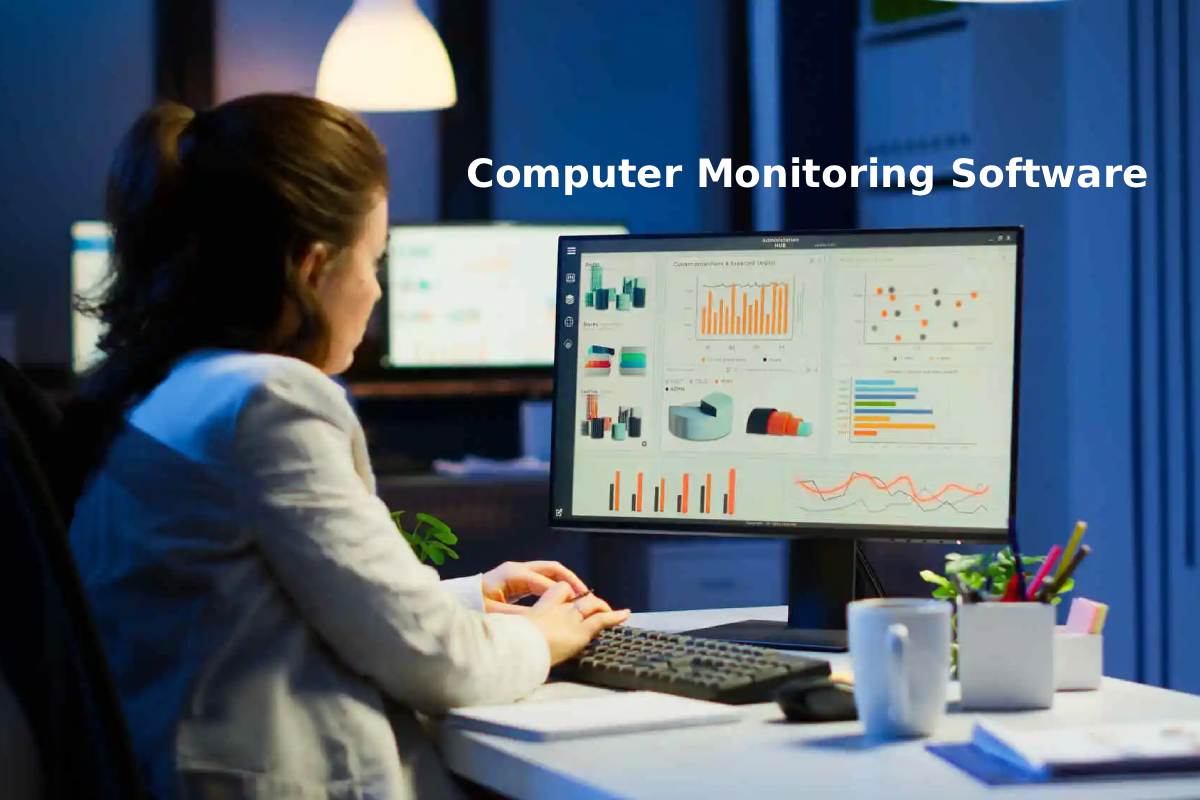
Computer monitoring software has evolved from basic activity tracking into a strategic endpoint visibility layer for businesses. In 2025, these tools sit at the intersection of IT security, productivity analytics, compliance, and workforce management, especially with the rise of remote and hybrid work.
This guide explains what computer (endpoint) monitoring software is, where it’s used, core features to evaluate, privacy and ethics considerations, and major tool categories—helping organizations choose responsibly and effectively.
Table of Contents
What Is Computer Monitoring Software?
Computer monitoring software (also called endpoint monitoring or employee monitoring software) tracks and analyzes activity on devices such as:
- Laptops and desktops
- Company-issued mobile devices
- Virtual desktops and cloud endpoints
The goal is not just surveillance—it is visibility, risk reduction, and performance insight across distributed systems and teams.
Why Computer Monitoring Matters in 2025
Key trends driving adoption include:
- Remote and hybrid work as the default
- Increased insider threats and credential misuse
- Regulatory pressure around data protection
- AI-powered productivity analytics
- Distributed IT environments with limited physical oversight
Modern monitoring tools now emphasize contextual insights rather than raw activity logs.
Core Use Cases for Endpoint & Employee Monitoring
1. IT Security and Threat Detection
One of the most critical use cases is endpoint security visibility.
Monitoring software helps IT teams:
- Detect unusual login behavior or access patterns
- Identify unauthorized software installations
- Monitor file transfers and data exfiltration risks
- Support incident response and forensic analysis
When integrated with EDR and SIEM platforms, monitoring strengthens zero-trust security models.
2. Employee Productivity and Workload Insights
Productivity monitoring has shifted from “time spying” to work pattern analysis.
Common applications include:
- Understanding application and tool usage
- Identifying workflow bottlenecks
- Measuring focus time vs distraction
- Supporting fair workload distribution
When used transparently, these insights help teams improve efficiency rather than micromanage.
3. Compliance and Audit Readiness
Industries handling sensitive data rely on monitoring for compliance support.
Use cases include:
- Tracking access to confidential files
- Maintaining activity logs for audits
- Supporting standards such as ISO 27001, SOC 2, HIPAA, or GDPR
- Enforcing acceptable-use policies
Monitoring provides defensible evidence during audits or investigations.
4. Remote Workforce Management
With employees working across locations and time zones, monitoring tools help:
- Verify system availability and uptime
- Detect device misconfigurations
- Support remote troubleshooting
- Maintain consistent IT governance
This is particularly valuable for SMBs without large IT teams.
5. Insider Risk and Data Loss Prevention (DLP)
Monitoring plays a key role in insider risk programs by:
- Flagging abnormal download or upload behavior
- Monitoring removable media usage
- Identifying attempts to bypass security controls
Rather than assuming malicious intent, modern tools focus on risk signals and early warnings.
Core Features to Look for in 2025
Endpoint Activity Monitoring
- Application and website usage
- Login/logout tracking
- File access and modification logs
Screen and Session Visibility (Optional)
- Live screen viewing or session replay
- On-demand screenshots (policy-controlled)
- Remote assistance and troubleshooting
Productivity Analytics
- Active vs idle time analysis
- Focus time reporting
- App categorization (productive vs non-productive)
Security and Risk Indicators
- Behavioral anomaly detection
- Alerts for suspicious actions
- Integration with EDR, DLP, and SIEM tools
Device and Asset Management
- Hardware and software inventory
- Patch and configuration visibility
- Endpoint health metrics
Reporting and Dashboards
- Role-based dashboards for IT, HR, and management
- Customizable reports
- Exportable audit logs
AI and Automation Enhancements
- Pattern recognition in user behavior
- Automated risk scoring
- Predictive alerts for burnout or security incidents
Privacy, Ethics, and Legal Considerations
Monitoring software must be deployed responsibly and transparently.
Key Ethical Principles
- Purpose limitation: Monitor for defined business reasons, not surveillance
- Proportionality: Collect only what is necessary
- Transparency: Inform employees clearly about what is monitored and why
- Access control: Restrict who can view sensitive data
Legal and Compliance Factors
- Local labor and data protection laws vary by country
- Employee consent requirements may apply
- GDPR and similar regulations emphasize data minimization and user rights
Failure to address privacy properly can result in legal risk, morale issues, and reputational damage.
Example Categories of Monitoring Tools (Non-Provider-Specific)
1. Employee Productivity Monitoring Tools
- Focus on time tracking and application usage
- Used by remote-first teams and service organizations
2. Endpoint Monitoring & Management (EMM/RMM)
- Device health, configuration, and performance
- Common in IT operations and MSP environments
3. Insider Risk & DLP Platforms
- Advanced behavioral analytics
- Used in regulated industries
4. Security-Focused Endpoint Visibility Tools
- Integrated with EDR and SIEM
- Emphasis on threat detection and incident response
5. Lightweight Monitoring for SMBs
- Simple dashboards
- Fast deployment with minimal configuration
How to Choose the Right Solution
When evaluating tools, ask:
- Is the primary goal security, productivity, or compliance?
- Does the tool support remote and hybrid environments?
- Can monitoring policies be customized by role or department?
- How does the solution handle data privacy and retention?
- Are integrations available with existing IT and security tools?
- Does reporting focus on insights rather than raw surveillance data?
Best Practices for Implementation
- Define monitoring objectives before deployment
- Update acceptable-use and privacy policies
- Communicate openly with employees
- Pilot the solution with limited scope
- Review metrics regularly and adjust thresholds
Monitoring works best when positioned as a support and protection mechanism, not a control tactic.
Linking Strategy: Where This Fits in Your Content Hubs
From AI & Emerging Tech Hub
- Anchor text: AI-powered endpoint monitoring and workforce analytics
- Context: Discuss how AI enhances security and productivity insights
From Technology for Business Hub
- Anchor text: Computer monitoring software for modern workplaces
- Context: Business IT operations, security, and remote work management
This guide supports a broader enterprise IT, cybersecurity, and digital workplace content cluster.
Final Thoughts
Computer monitoring software in 2025 is no longer about watching screens—it’s about understanding systems, protecting data, and enabling productive work environments.
Organizations that balance technology, transparency, and ethics will gain the most value, while those that treat monitoring as surveillance risk losing trust and effectiveness.