
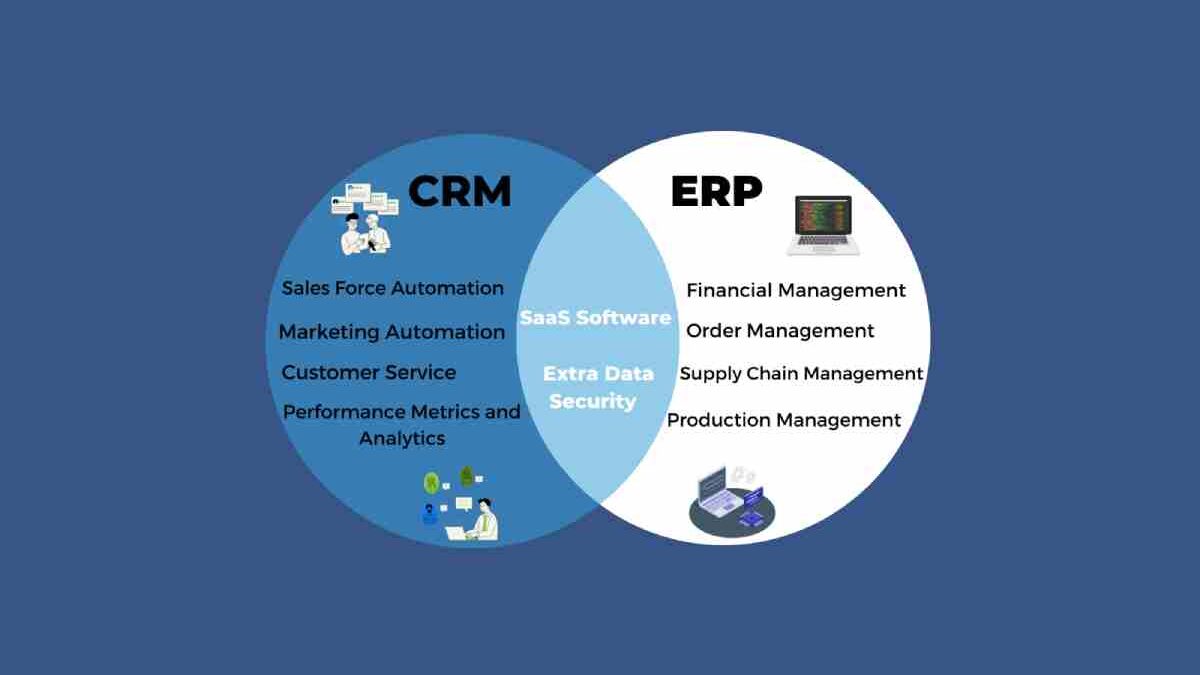
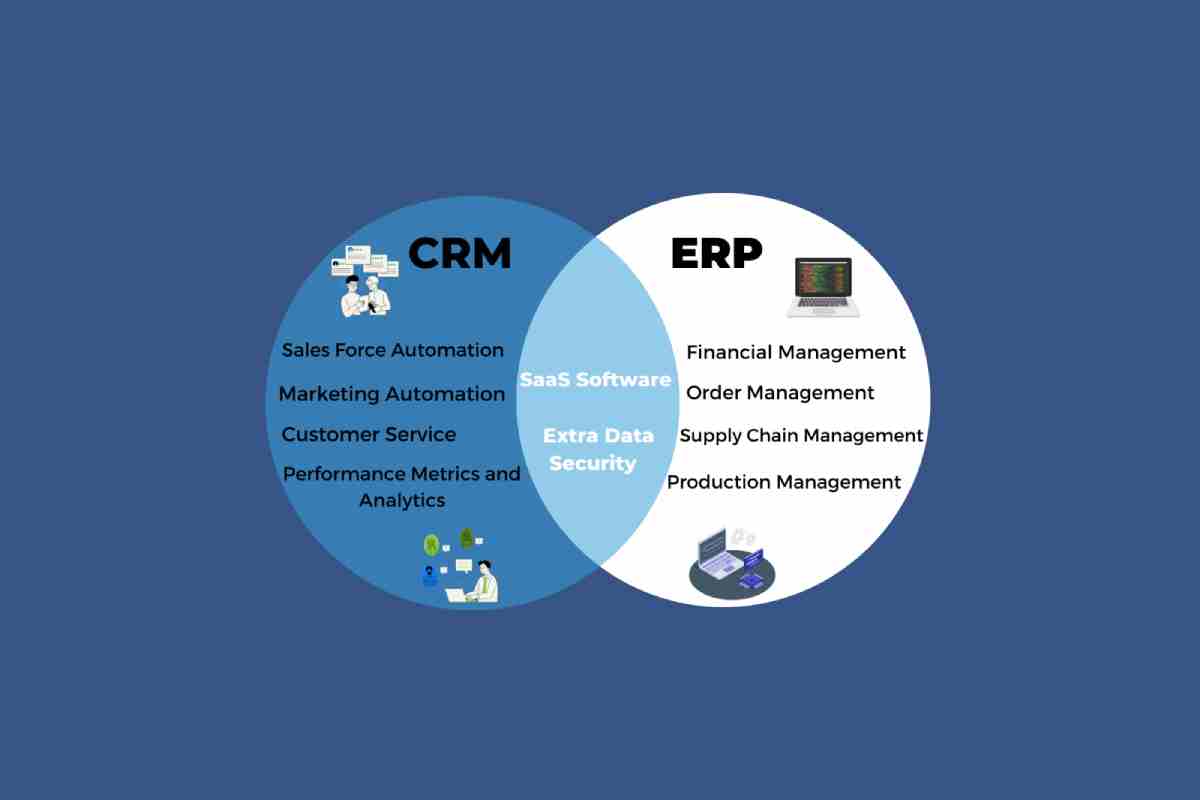
In 2026, the issue of CRM vs ERP vs marketing automation is a well-known one that is growing more complicated to decide between, especially among small businesses. They are all systems that guarantee efficiency, growth and control, yet selecting the wrong one at either too early a stage (or too late) can suck the budgets and halt momentum.
This guide will be specifically on small business decision-making and more importantly illuminating what each tool does in actual sense, how they are different in actual use and where they should be prioritized according to the growth stage not hype.
Table of Contents
What Every Tool Does (Quick Definitions)
The first thing to do before making any comparison of costs and features is to know the main task that each system is created to do.
CRM (Customer Relationship Management)
A CRM is developed in order to handle customer relations and sales operations. It brings the leads, contacts, deals, and communication history together to enable sales and support teams to operate on the same source of truth.
Core purpose:
-
Track leads and customers
-
Manage sales pipelines
-
Improve follow-ups and customer retention
CRMs are often the first business system small companies adopt because they directly impact revenue generation.
ERP (Enterprise Resource Planning)
ERP systems handle internal operations—finance, inventory, procurement, HR, and supply chain management. While powerful, they are operationally heavy and usually adopted later.
Core purpose:
-
Manage accounting and financials
-
Track inventory and supply chains
-
Standardize internal processes
For most small businesses, ERP becomes relevant only when operational complexity increases.
Marketing Automation
Marketing automation platforms focus on lead nurturing and campaign execution. They automate repetitive marketing tasks while improving personalization at scale.
Core purpose:
-
Email and SMS campaigns
-
Lead scoring and segmentation
-
Customer journey automation
Marketing automation is usually achieved through a complement of a CRM and not a substitute.
Comparison Table: CRM vs ERP vs Marketing Automation
| Tool Type | Core Features | Pricing (Free/Paid) | Ideal Business Size | Popular Examples |
|---|---|---|---|---|
| CRM | Lead management, sales pipelines, customer support, reporting | Free tiers available; paid plans scale with users | Freelancers to mid-sized businesses | HubSpot, Zoho CRM, Pipedrive |
| ERP | Accounting, inventory, HR, procurement, compliance | Mostly paid; higher setup costs | Growing SMBs with complex operations | Odoo, NetSuite, SAP Business One |
| Marketing Automation | Email automation, lead nurturing, analytics, segmentation | Paid plans; pricing scales with contacts | SMBs with active marketing funnels | ActiveCampaign, Mailchimp, Klaviyo |
Lesson learned: CRMs and marketing automation tools track the horizontal growth, whereas ERP track the vertical one in terms of operational complexity.
Which Should Small Businesses Start With?
The suggested adoption sequence that would be advisable to most small businesses in 2026 is:
1. Start with a CRM
A CRM provides instant ROI in terms of sales visibility, customer follow-ups and coordination between teams. Even service based or individual businesses enjoy the early advantage.
Why first:
-
Direct revenue impact
-
Low learning curve
-
Free or affordable entry plans
2. Add Marketing Automation
As soon as the volume of leads grows, it becomes inefficient to use manual follow-ups. Marketing automation is a continuation of CRM value that fosters prospects automatically.
Why second:
-
Reduces manual marketing effort
-
Improves lead conversion rates
-
Integrates easily with CRMs
3. Adopt ERP Only When Needed
ERP systems make sense when spreadsheets and accounting tools can no longer handle operational complexity.
Signs you’re ready:
-
Inventory tracking issues
-
Multi-entity accounting
-
Compliance or audit requirements
For many small businesses, ERP adoption is optional—not inevitable.
How to Integrate Them (Without Breaking the Bank)
The smartest thing that cost-sensitive businesses can do is to integrate and not to replace.
Low-cost integration options
- Native integrations: Numerous CRMs are linked to business platforms and accounting programs out of the box.
- Zapier or Make: Workflow automation that does not require it to be developed.
- All in one suites: Suites such as Zoho One save on integration.
Common Small Business Tech Stacks
- CRM + Accounting: HubSpot + QuickBooks.
- CRM + Marketing Automation: Zoho CRM + Zoho Campaigns.
- All-in-One: Zoho one (CRM + ERP-lite + marketing).
These stacks are compatible with numerous general strategies in business automation tools and secure and reliable business apps resources.
Conclusion
If you are choosing one system in 2026:
-
Choose CRM if your priority is growth and sales
-
Choose marketing automation if leads exist but conversions lag
-
Choose ERP only if operational complexity demands it
For most small businesses, success comes from layering tools strategically, not adopting enterprise systems prematurely.