
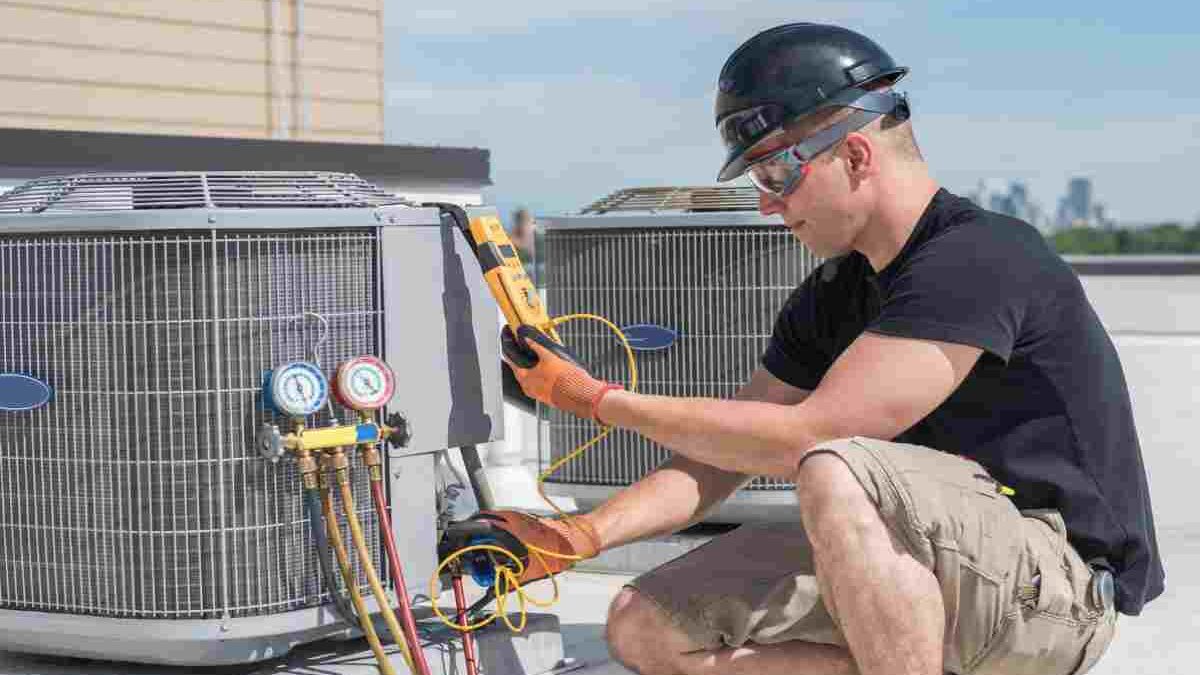
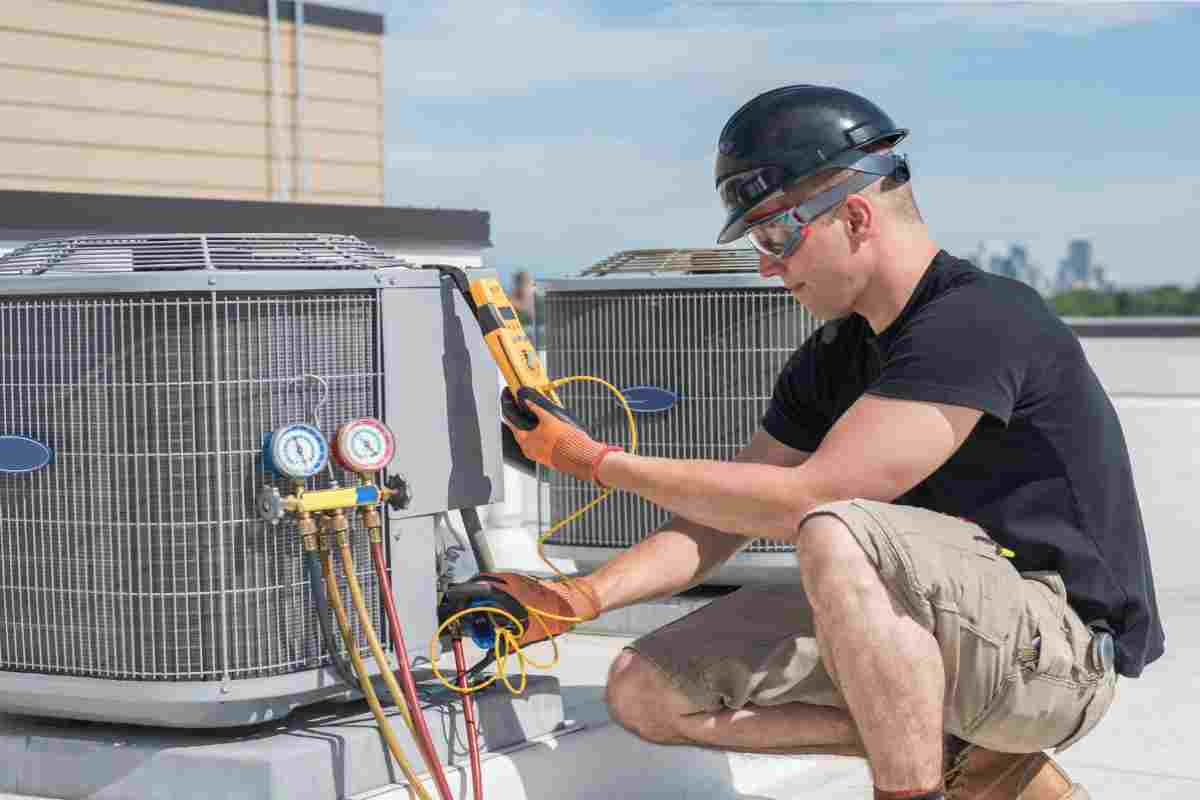
Commercial air conditioning is no longer just about cooling large spaces. Today, smart, IoT‑enabled HVAC systems play a critical role in business efficiency, sustainability, and operational strategy. From real‑time monitoring to predictive maintenance and energy optimization, modern HVAC has become a key component of Technology for Business.
This guide refreshes the traditional view of commercial air conditioning and reframes it as a business‑grade, data‑driven system aligned with IoT, automation, and emerging technologies.
Table of Contents
Why Commercial HVAC Is Now a Business Technology Decision
For offices, malls, hospitals, data centers, hotels, and factories, HVAC is one of the largest operational cost drivers. Smart HVAC transforms this cost center into a controllable, measurable system that supports:
- Energy efficiency and sustainability goals
- Employee comfort and productivity
- Predictable maintenance and reduced downtime
- Compliance with building and energy regulations
As businesses adopt digital transformation strategies, HVAC increasingly integrates with IoT platforms, analytics tools, and building management systems (BMS).
What Is Smart / IoT‑Enabled Commercial HVAC?
Smart commercial HVAC systems use connected sensors, controllers, and cloud platforms to automate and optimize heating, ventilation, and air conditioning at scale.
Key IoT Components
- Temperature & humidity sensors for real‑time environment monitoring
- Smart thermostats and controllers that adapt based on usage patterns
- IoT gateways connecting HVAC equipment to cloud platforms
- Energy meters tracking consumption by zone or building
- AI‑driven analytics for optimization and forecasting
These components work together to create a data‑driven HVAC ecosystem, rather than isolated machines.
Business Benefits of Smart Commercial HVAC
1. Energy Optimization & Cost Control
IoT‑enabled HVAC systems continuously analyze usage data to reduce energy waste. Businesses can:
- Automatically adjust cooling based on occupancy
- Optimize peak‑load consumption
- Identify inefficient units or zones
This directly supports energy management strategies and lowers long‑term operating expenses.
2. Predictive Maintenance Using IoT Data
Instead of reactive repairs, smart HVAC uses sensor data to predict failures before they occur. Benefits include:
- Reduced downtime
- Lower maintenance costs
- Longer equipment lifespan
Predictive maintenance aligns HVAC with broader business automation and reliability goals.
3. Centralized Control Across Locations
For enterprises with multiple offices or facilities, cloud‑connected HVAC systems allow:
- Remote monitoring of all locations
- Standardized temperature policies
- Centralized reporting dashboards
This mirrors how businesses manage SaaS platforms and IT infrastructure — from a single control layer.
4. Integration With Business & Building Systems
Modern commercial HVAC integrates with:
- Building Management Systems (BMS)
- IoT platforms and digital twins
- Workplace management software
- Sustainability and ESG reporting tools
This integration positions HVAC as part of a connected enterprise ecosystem, not standalone infrastructure.
Smart HVAC Use Cases by Industry
- Corporate Offices: Adaptive cooling based on occupancy and meeting room usage
- Retail & Malls: Zone‑based cooling aligned with foot traffic
- Hospitals: Precise temperature and air quality control with compliance tracking
- Data Centers: High‑availability cooling with predictive alerts
- Manufacturing: Environmental stability for equipment and processes
Each use case demonstrates how HVAC supports business performance, not just comfort.
HVAC, IoT, and Emerging Technology Trends
Smart commercial HVAC is increasingly enhanced by:
- AI & machine learning for usage prediction
- Digital twins for building performance simulation
- Edge computing for faster local decision‑making
- Sustainability tech for carbon and energy reporting
These trends connect HVAC directly to emerging‑tech and IoT business strategies.
How This Fits Into the Technology‑for‑Business Cluster
This guide supports and should be internally linked from/technology‑for‑business/ as a deeper infrastructure‑tech resource. Relevant internal connections include:
- IoT in business operations
- Energy management and sustainability tech
- Smart buildings and automation
- Data‑driven infrastructure decisions
Positioning HVAC within this cluster reinforces that physical infrastructure is now software‑driven and data‑enabled.
Final Thoughts
Commercial air conditioning has evolved into a strategic business technology. With IoT‑enabled HVAC systems, businesses gain visibility, control, and intelligence over one of their most critical operational assets.
For organizations investing in digital transformation, smart HVAC is no longer optional — it’s a foundational layer of modern, connected, and energy‑efficient business infrastructure.