
Table of Contents
Introduction
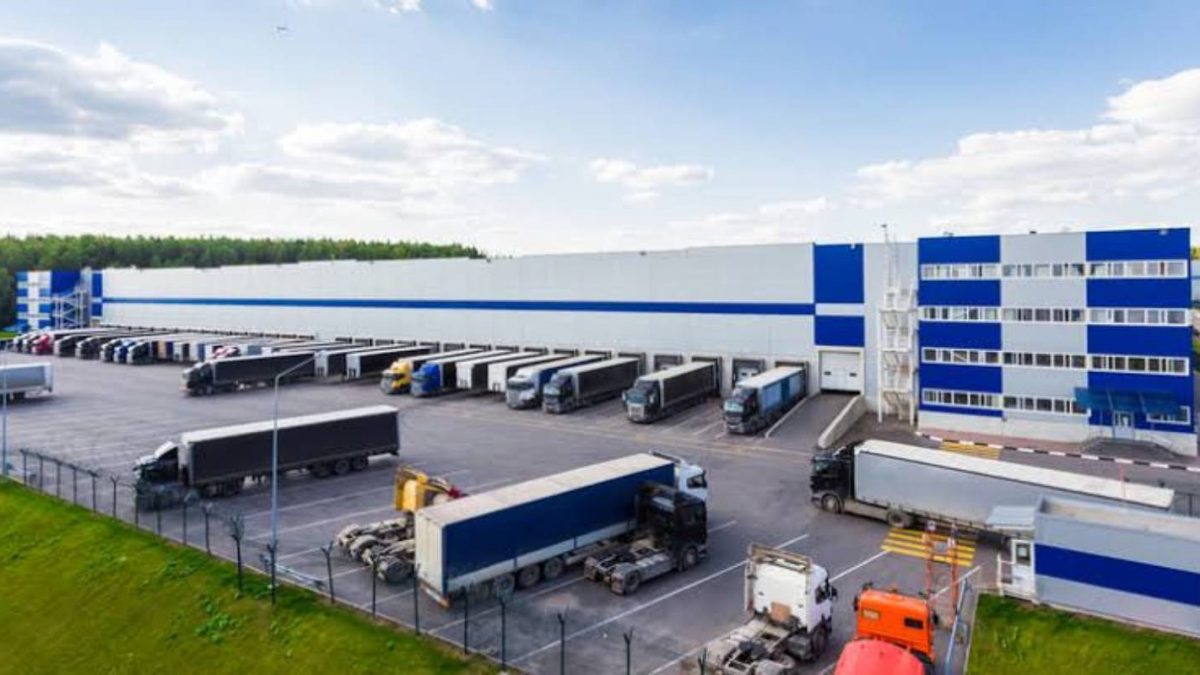
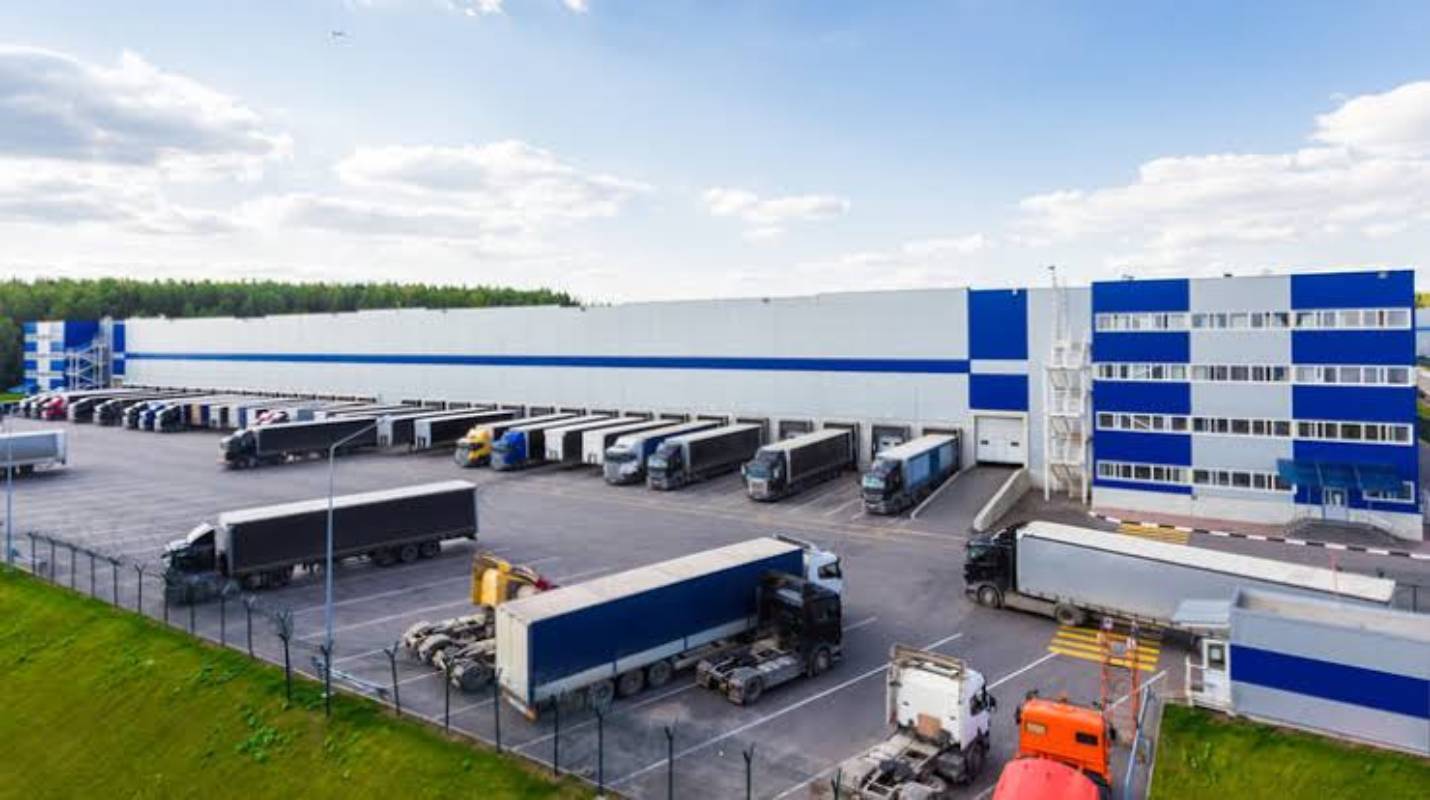
In today’s fast-paced and competitive marketplace, businesses must prioritize efficiency, customer satisfaction, and operational scalability to remain successful. One of the most effective ways companies can improve performance and accelerate growth is by partnering with a fulfillment center. A fulfillment center is a specialized facility that handles the storage, processing, packaging, and shipping of customer orders on behalf of a business. It allows companies—especially e-commerce brands—to optimize logistics without needing to invest in costly infrastructure, staffing, or warehouse management systems.
As consumer expectations for faster delivery, lower shipping costs, and seamless service continue to rise, fulfillment centers are becoming critical to business success. They enable companies to shift their focus from time-consuming logistics tasks and redirect attention to areas such as product development, sales, marketing, and brand growth. Whether a company is a rapidly scaling startup or an established enterprise seeking to streamline operations, fulfillment centers offer numerous advantages that help businesses operate more efficiently, profitably, and competitively.
This in-depth article explores the essential role fulfillment centers play and highlights the key benefits they provide for businesses.
What Is a Fulfillment Center?
A fulfillment center is a third-party logistics (3PL) facility that stores your products and handles order processing, packing, shipping, and returns on your behalf. It integrates with your online store and business systems so orders are fulfilled automatically after checkout. cleverence.com
Unlike traditional warehouses that mainly store products, fulfillment centers are optimized for speed, accuracy, and growth — making them essential for modern businesses. BeePrimePrep
Key Ways Fulfillment Centers Help Your Business
A. Save Time and Boost Productivity
Handling your own logistics — from receiving products to packing and shipping — is resource-intensive. Outsourcing fulfillment frees your team to focus on strategic priorities like:
-
Building better products
-
Improving marketing and sales
-
Enhancing customer service
This shift in focus accelerates growth without adding internal operational burden. cleverence.com
B. Reduce Costs and Increase Efficiency
Running a warehouse yourself means paying for:
-
Rent and utilities
-
Staff and training
-
Warehouse management software
-
Packaging materials
Fulfillment centers pool these costs across many clients, leading to lower storage and shipping expenses. They often negotiate discounted shipping rates with carriers, saving your business money on outbound deliveries. Global Industries+1
C. Faster Delivery Inspires Customer Loyalty
Customers now expect fast shipping — sometimes even same-day or next-day delivery. Fulfillment centers with multiple warehouse locations can distribute inventory closer to key markets, cutting transit times and improving satisfaction. cleverence.com
Faster delivery isn’t just a convenience — it directly impacts repeat purchases and customer lifetime value.
D. Scalability for Growth & Peak Seasons
Whether you’re launching a product surge, running a sale, or facing holiday demand, fulfillment centers can scale with you, offering flexible space and workforce levels. You don’t have to hire or let go of staff depending on seasonality — the partner handles it. Global Industries
This flexibility makes fulfillment centers ideal for SaaS-driven e-commerce platforms and tech-powered marketplaces that see fluctuating order volumes.
E. Better Inventory & Returns Management
Fulfillment centers use real-time inventory systems and automation to:
-
Track stock levels
-
Reduce out-of-stock issues
-
Prevent order errors
They also streamline returns processing, which improves customer trust and retention. shipscience.com
F. Access to Advanced Tech Without Huge Investment
Most fulfillment partners provide:
-
API integrations with Shopify, Amazon, WooCommerce, etc.
-
Automated order syncing
-
Barcode and RFID tracking systems
-
Real-time dashboards
This means your business gets modern logistics tech without huge software or infrastructure costs. cleverence.com
Strategic Business Benefits
A. Focus on Core Competencies
By offloading logistics to experts, you can devote more resources to product innovation, marketing, customer success, and strategic partnerships — areas that drive growth and long-term value. Global Industries
B. Strengthen Competitive Advantage
Fast and accurate fulfillment is now a baseline expectation. Using fulfillment centers helps you:
-
Compete with faster, larger players
-
Offer better delivery options
-
Launch promotions without logistical stress
This strengthens brand credibility and market position.
Choosing the Right Fulfillment Partner
Before selecting a fulfillment center, look for:
✔ Seamless integration with your e-commerce platforms
✔ Transparent pricing and fee structures
✔ Reputation for accuracy and responsiveness
✔ Multiple warehouse locations
✔ Tools for real-time tracking and reporting TechBullion
A good partner not only fulfills orders but becomes part of your tech-driven growth stack.
Conclusion: Why It Matters in 2025
In an era where customer expectations are higher than ever, and operational efficiency directly affects profitability, fulfillment centers are no longer optional for growth-oriented businesses. Whether you’re a SaaS-oriented marketplace, an e-commerce brand, or a digitally native business, smart fulfillment strategy powers scale and competitiveness.