
Table of Contents
Introduction
If there’s one thing that has become painfully clear over the last decade, it’s this: every modern business runs on data, automation, and integration. Whether you’re running a mid-sized retail brand or a fast-scaling SaaS company, you’ve probably already felt the friction of juggling disconnected tools, manual workflows, and systems that refuse to play nicely with one another.
Your technology stack is only as strong as your ability to connect it.
And that’s exactly where a custom API becomes a game-changer.
While third-party APIs are useful, they’re often restrictive, rigid, or not aligned with your exact workflows. In contrast, a custom API lets you build your own integration “language,” tailor-made for your business.
In this guide, we’ll explore what custom APIs actually are, why they matter, and the seven biggest reasons nearly every business—large or small—should consider creating one today.
What Is a Custom API?
A Custom API is an application programming interface that your business designs specifically for your own systems, workflows, data structures, and customers.
Instead of adjusting your operations to fit the limitations of external APIs, you create an API that adapts to your exact processes.
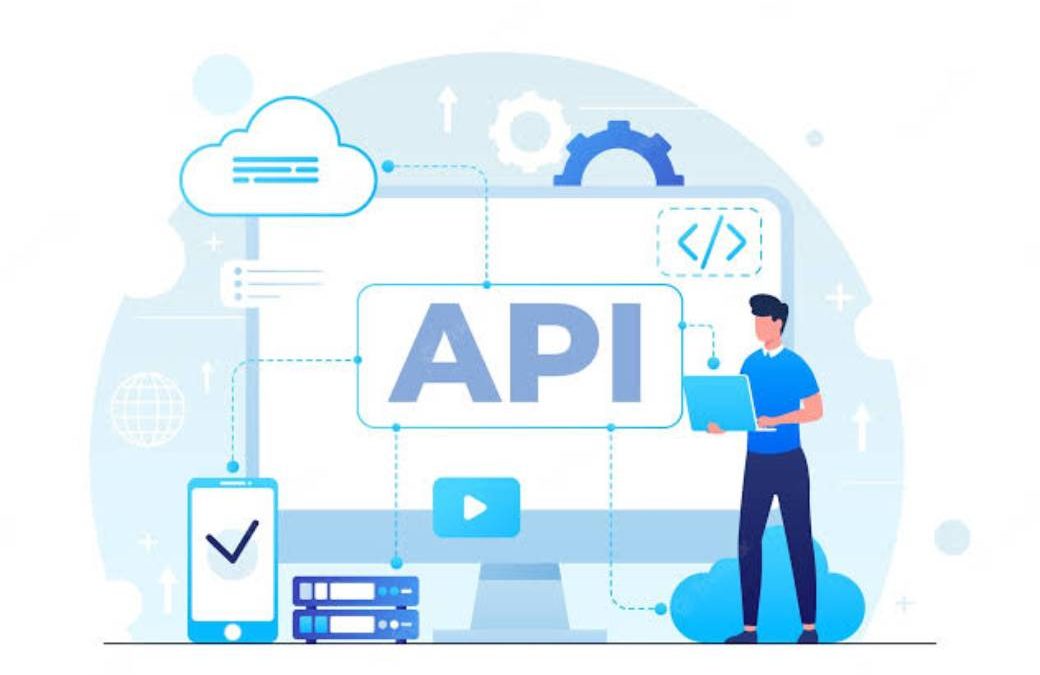
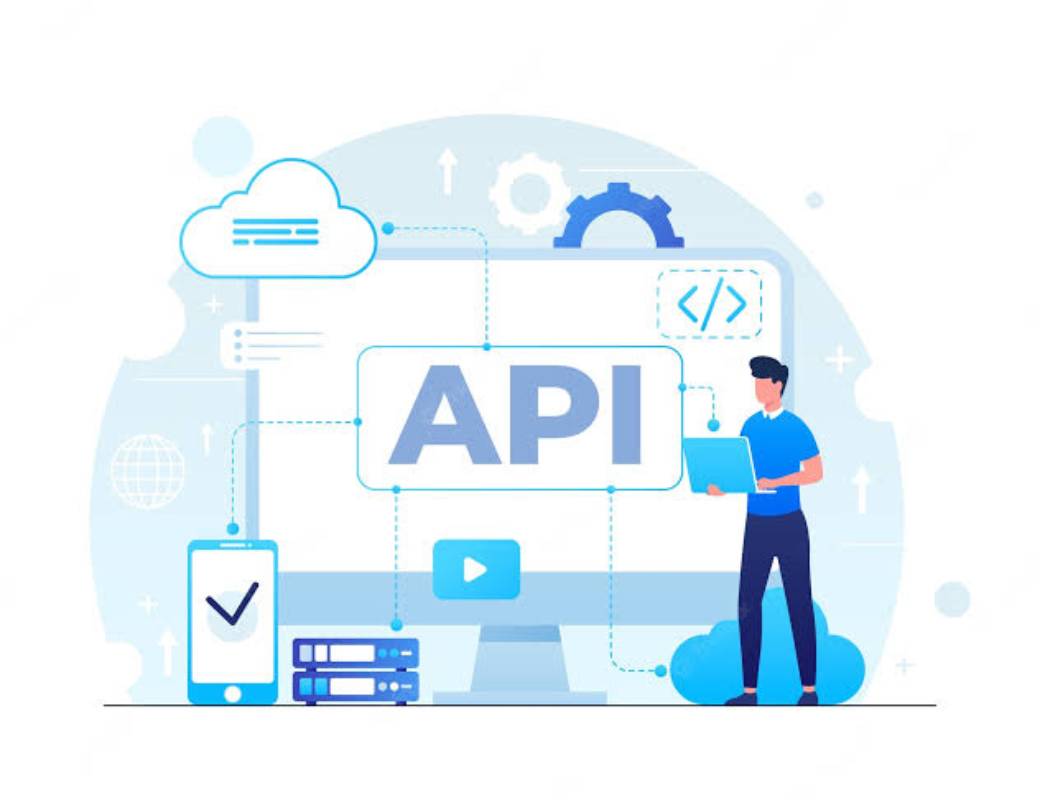
Think of it like designing the perfect bridge between:
-
your apps
-
your databases
-
your third-party tools
-
your automation workflows
-
your customer-facing platforms
A custom API acts as the central nervous system connecting everything together.
Why Businesses Build Custom APIs
Businesses across nearly every industry are moving toward API-first and integration-first architecture.
-
More businesses are operating in hybrid ecosystems (web + mobile + internal apps).
-
Customers expect real-time data and personalization.
-
Manual workflows are becoming too expensive and risky.
-
Data security requirements are tightening globally.
-
Growth depends on eliminating operational friction.
Now let’s break down the seven core reasons your business should invest in a custom API.
1. Seamless Integration Across Your Entire Tech Stack
Every modern organization uses dozens—sometimes hundreds—of digital tools. Unfortunately, most of them don’t communicate natively, which creates data silos, bottlenecks, duplicated work, and operational lag.
A custom API solves that by becoming your universal integration layer.
Benefits of a Connected Ecosystem
-
Unified data flow across all departments
-
Real-time synchronization instead of periodic imports
-
No more manual data entry or CSV syncing
-
Fewer errors, since human input is minimized
-
Faster decision-making with unified dashboards
Real Example
Imagine an e-commerce store connecting:
-
Shopify
-
Inventory system
-
Shipping provider
-
CRM
-
Warehouse ERP
Instead of juggling five different platforms, a custom API ties everything together. When an order is placed, every system updates instantly. No spreadsheets. No delays.
This is the kind of operational clarity every modern business needs.
2. Automate Repetitive Work & Boost Operational Efficiency
Let’s be honest: too many companies waste hundreds of hours every month on work that could—and should—be automated.
Custom APIs allow you to automate:
-
data transfers
-
system updates
-
notifications
-
workflows triggered by real-time events
-
multi-step business processes
Examples of API-Powered Automation
-
Customer signs up → CRM updates → billing creates subscription → analytics logs event
-
Inventory drops below threshold → auto-restock triggered
-
Client form submitted → task created → email sent → reporting dashboard updates
How APIs Improve Efficiency
-
Reduce reliance on manual labor
-
Standardize workflows
-
Remove bottlenecks caused by human delays
-
Prevent costly mistakes caused by manual operations
APIs build a scalable automation engine that grows with your business.
3. Deliver Faster, Smarter, More Personalized Customer Experiences
Customers today expect instant updates, real-time personalization, and seamless multi-device experiences. You can’t deliver that without a robust backend API.
What Custom APIs Enable
✔ Personalized recommendations
Example: Show different product suggestions based on user behavior.
✔ Real-time updates
Order tracking, account updates, booking confirmations, and more.
✔ Consistency across devices
Mobile app, website, desktop—everything pulls from one API.
✔ Faster user experiences
Optimized endpoints = lightning-fast apps.
When your API is built around your customer experience—not someone else’s platform—you gain control over both performance and quality.
4. Scalability & Future-Proof Architecture
Your business isn’t static. Your API shouldn’t be either.
A well-designed custom API makes your tech stack flexible and scalable as you:
-
add new products
-
expand to new regions
-
introduce mobile apps
-
connect new tools
-
onboard more users
Why Custom APIs Scale Better
-
No restrictive rate limits from third-party providers
-
No forced upgrades, vendor lock-ins, or feature limitations
-
No rigid data models you can’t modify
-
Ability to handle high traffic volumes
-
Ability to evolve architecture over time
Long story short: you control the roadmap—not a third-party vendor.
5. Stronger Security, Compliance & Data Control
Security is one of the biggest reasons companies shift to custom APIs.
Third-party APIs expose you to shared vulnerabilities, unknown code bases, and restricted security configurations. A custom API lets you build security the way your business needs it.
Security Features You Can Build into a Custom API
-
Custom authentication (JWT, OAuth2, API keys)
-
Role-based access control
-
Encrypted data transfer (TLS, SSL)
-
IP whitelisting & rate limiting
-
Detailed audit logs
-
Secure data handling for compliance
-
Zero overexposed endpoints
This makes compliance easier with:
-
GDPR
-
HIPAA
-
PCI DSS
-
SOC 2
-
ISO 27001
With a custom API, you own the data flow, the access rules, and the security policies.
6. Competitive Differentiation & Innovation
When your backend runs on custom-built APIs, you gain a competitive edge:
-
You can build proprietary features
-
You can innovate faster
-
You can launch new products without waiting for external vendors
-
You can create your own developer ecosystem
Companies like Stripe, Slack, Shopify, and Twilio built entire empires on APIs.
A custom API gives your business the foundation to:
-
launch integrations others can’t
-
create partner platforms
-
expose services to B2B clients
-
build microservices and modular architecture
In short: APIs help small companies compete like tech giants.
7. Long-Term Cost Savings & Higher ROI
Yes, custom APIs require upfront investment. But over time, the cost savings are undeniable.
Where the Savings Come From
-
Reduced manual labor
-
No more third-party integration fees
-
Fewer errors = fewer costly fixes
-
Lower operating costs
-
Faster dev timelines for new features
-
No expensive re-platforming later
A custom API becomes a long-term digital asset that continues delivering ROI for years.
Custom API Use Cases
Retail & E-Commerce
-
Sync orders, inventory, shipping, CRM
-
Personalized recommendations
-
Unified loyalty experience
Healthcare
-
HIPAA-compliant data exchange
-
Secure patient portal integrations
FinTech
-
Encrypted transaction workflows
-
Real-time risk scoring
-
KYC/AML automation
Logistics
-
GPS tracking
-
Driver‒fleet integration
-
Real-time route optimization
SaaS Platforms
-
Multi-tenant APIs
-
Partner integrations
-
Developer marketplace
Manufacturing
-
IoT device integration
-
Production monitoring
-
Predictive maintenance
Pros & Cons of Building a Custom API
✔ Pros
-
Full control over data, workflows, and architecture
-
Stronger security and compliance
-
Scales with your business
-
Enables automation
-
Reduces long-term costs
-
Better customer experiences
-
Competitive edge
✘ Cons
-
Higher initial development cost
-
Requires skilled engineering team
-
Needs ongoing maintenance
-
Longer setup time than using plug-and-play services
Custom API vs Off-the-Shelf API (Pros and Cons)
Custom API – Pros
✔ Designed around your exact business workflows
✔ Better scalability and performance control
✔ Stronger security tailored to your risk model
✔ Seamless integration of legacy + modern systems
✔ Enables new revenue models (API-as-a-service, partner integrations)
✔ Full ownership over versioning and reliability
Custom API – Cons
✖ Higher upfront development cost
✖ Requires ongoing maintenance and monitoring
✖ Longer time-to-market compared to plug-and-play solutions
Off-the-Shelf API – Pros
✔ Fast implementation
✔ Lower initial cost
✔ Good for simple, standardized use-cases
✔ Maintained by third-party provider
Off-the-Shelf API – Cons
✖ Limited customization
✖ Vendor lock-in
✖ Hidden usage costs (per-call pricing)
✖ Performance constraints
✖ Cannot fully control security or compliance
✖ Difficult to integrate deeply with internal systems
Popular Tools for Building Custom APIs (Comparison Table)
| Tool / Framework | Best For | Pros | Cons |
|---|---|---|---|
| Node.js + Express | Fast development | Lightweight, flexible | Requires manual structuring |
| Python FastAPI | High-performance APIs | Fast, async-ready | Smaller ecosystem |
| Django REST Framework | Complex backends | Secure, batteries-included | Slower than FastAPI |
| Laravel | PHP ecosystems | Elegant, robust | Heavier framework |
| .NET Web API | Enterprise apps | Secure, scalable | Requires MS stack |
| AWS API Gateway | Serverless APIs | Highly scalable | Costly at high volume |
| Google Apigee | Enterprise API management | Advanced monitoring | Expensive |
Summary: The Business Case for a Custom API
A custom API is more than a technical component—it’s a strategic asset that delivers:
-
Faster workflows through automation
-
Unified data across platforms
-
Stronger security & compliance
-
Scalability for growth
-
Better partner experiences
-
Long-term cost savings & predictable ROI
If your business relies on reliable, secure, and scalable data exchange, a custom API isn’t optional—it’s essential.
FAQs About Custom APIs (with Schema Markup)
FAQ 1: How long does it take to build a custom API?
Typically 4–12 weeks, depending on complexity, integrations, and security requirements.
FAQ 2: Are custom APIs expensive?
Upfront costs exist, but long-term savings and scalability usually outweigh them.
FAQ 3: Can small businesses benefit from custom APIs?
Absolutely. Even small teams save time, reduce errors, and operate more efficiently.
FAQ 4: What’s the difference between a custom API and a third-party API?
Third-party APIs are generic and limited; custom APIs are built specifically for your workflows and data.
Author Bio
Written by: Techies In — API & Integration Strategist
With over 10 years of experience building enterprise-grade APIs, automation systems, and digital transformation frameworks, I help businesses design scalable, secure, and future-ready technology architectures. My work spans SaaS platforms, healthcare systems, financial applications, and global e-commerce infrastructure.