
Table of Contents
Introduction
From a fire to a natural disaster, your inventory and revenue are at risk. You’re stuck trying to get back to where you were – and until then, your business is taking a serious hit. But it doesn’t have to be that way. Find out how you can use salvage data https://www.salvagedata.com/to improve your bottom line with our free guide below.
You will learn how to identify, assess, and better understand the key features of the different types of data, what to expect and how to deal with the many challenges that arise when working with salvage data, What are the limitations and risks involved when accounting for salvage data, How best to collect salvage data.
Forget tedious surveys and endless data collection. Discover your company’s salvage potential with a smarter solution.
Recovering and organizing salvage data is only one part of making information useful again. Once files have been restored, users must review their contents, identify important details, and organize documents for future reference. This process can involve educational materials, research notes, and academic records. For example, students working with recovered study documents may find resources such as NCERT Class 6 English solutions useful when rebuilding their collection of learning materials. Maintaining organized digital records can make educational information easier to access and manage.
Salvage Data
In this article, we demonstrate the value of a comprehensive automotive data solution. Our unique, data-driven approach provides you with intelligence to make sound business decisions that help you stay prepared for market fluctuations and unpredictability in automotive repair and recycling. We also share the top influence on vehicle auction prices, which type of damage has the most influence on value, and how capitalizing on extended periods of low service times is key to better returns.
For the Customer who can’t be there with the adjuster, and for the Adjuster who wants to provide a higher quality service for their customers, we’ve developed iPhone and iPad applications that make claims reporting easier, faster and more convenient. Combined with our text/image processing pipeline, these apps enable adjusters to capture and summarize claim data without having to revisit the job site.
Salvaged data often includes scanned documents, photographs, screenshots, and other image-based files that may contain valuable information. However, extracting written content from these images can be challenging when users need to search, edit, or organize recovered records. Understanding image-to-text transcriptions can help users explore how optical character recognition (OCR) and related technologies convert readable text within images into editable digital content. This process can make certain recovered documents more accessible, searchable, and easier to manage.
Data recovery services
The term “salvage data” is used to describe a few different types of information. Generally, it’s used to refer to information that has been lost, damaged or discarded. It’s also used in a more specific sense to refer to data that is recovered from hard drives that have been somehow damaged or destroyed, such as by fire or water damage.
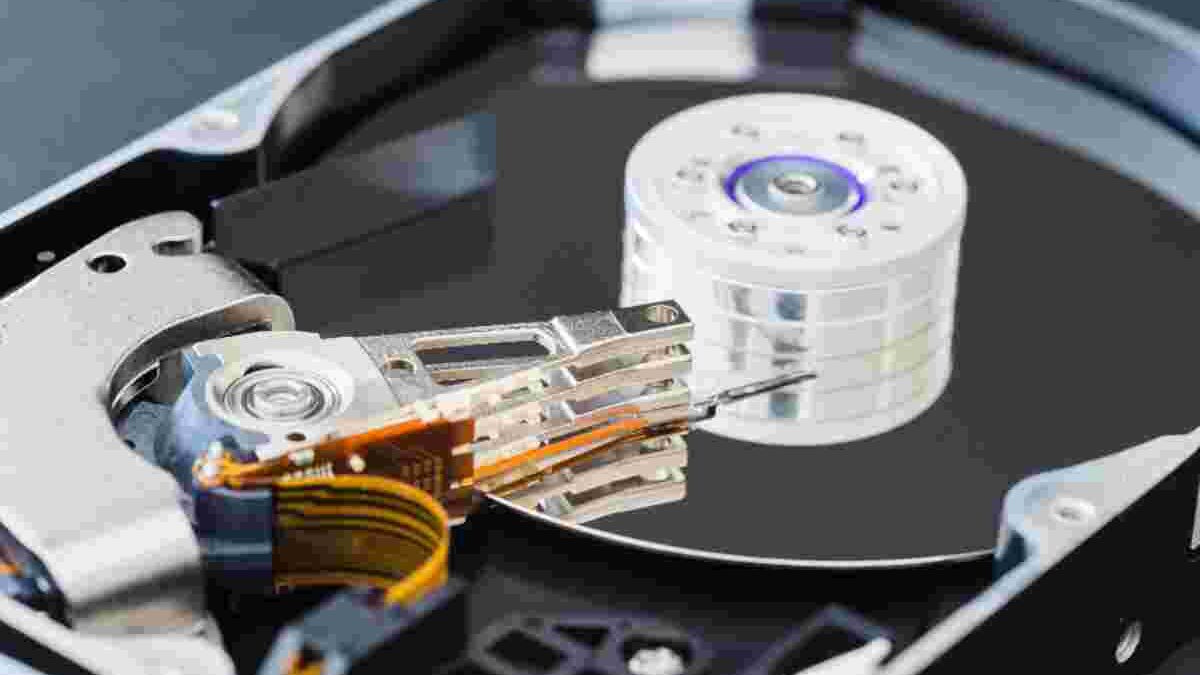
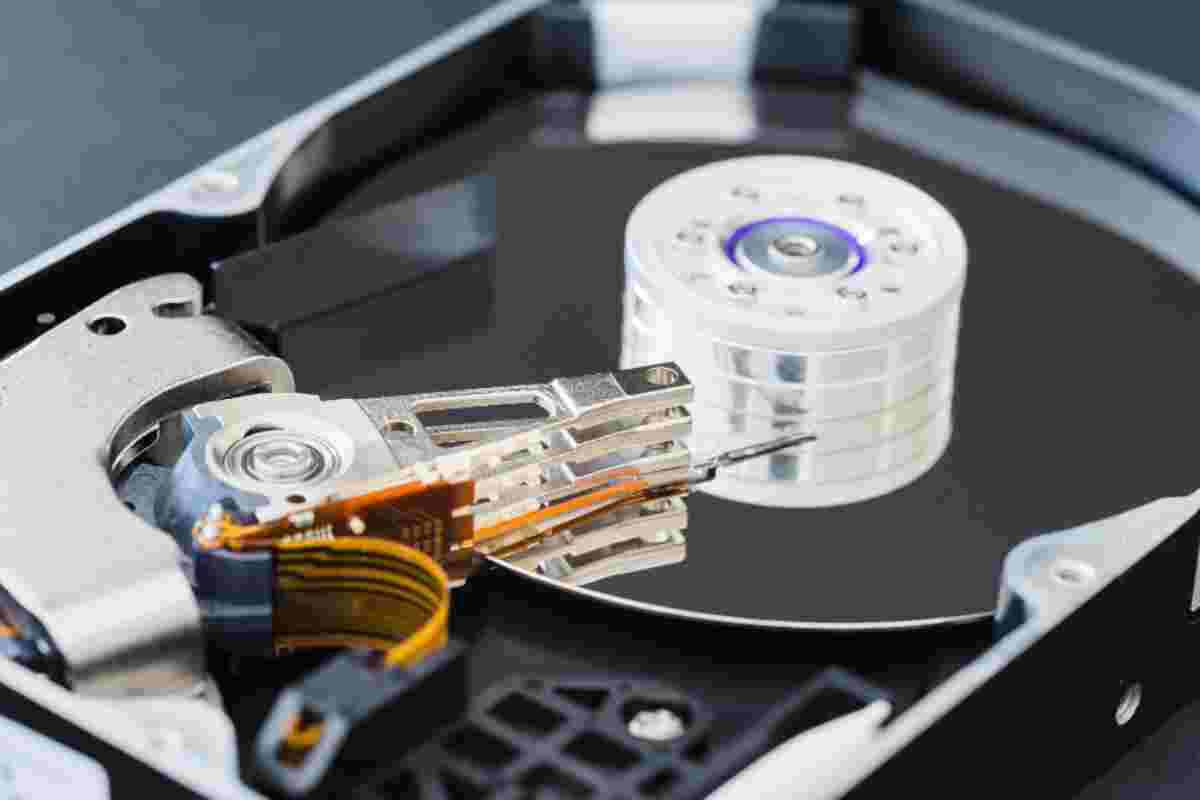
Data recovery services are specialized services designed for retrieval of lost data from hard disks and other electronic storage devices. In order to retrieve data from a damaged hard drive, the drive must usually be physically disassembled and have its platters removed for reconstruction. The time and cost involved in retrieving salvage data varies depending on the cause of the failure and the type of damage that has been done.
Data recovery and file management are particularly important for businesses that handle large amounts of digital media. Video production companies, for example, work with high-resolution footage, audio recordings, project files, and editing assets that require reliable storage and backup systems. Losing access to these files can delay projects and create additional production costs. Entrepreneurs interested in starting and running a video production company should consider how proper file organization, backup planning, and data recovery procedures can support their daily operations.
Conclusion
With all these options, it should now be a lot easier to get your hands on some salvageable data. Just remember that the data you get from any of these sources may be more than a little dirty—so it’s up to you to clean it up and make sure that it’s usable. Also, whenever possible, you should always be looking for ways to obtain data from high-quality sources. What we’ve presented here are only short-term solutions, so if you can find another source within your budget, so much the better (so long as your source is reputable). Finally, make sure to always save your own copy of any data that you do manage to recover—you never know when it might come in handy.