
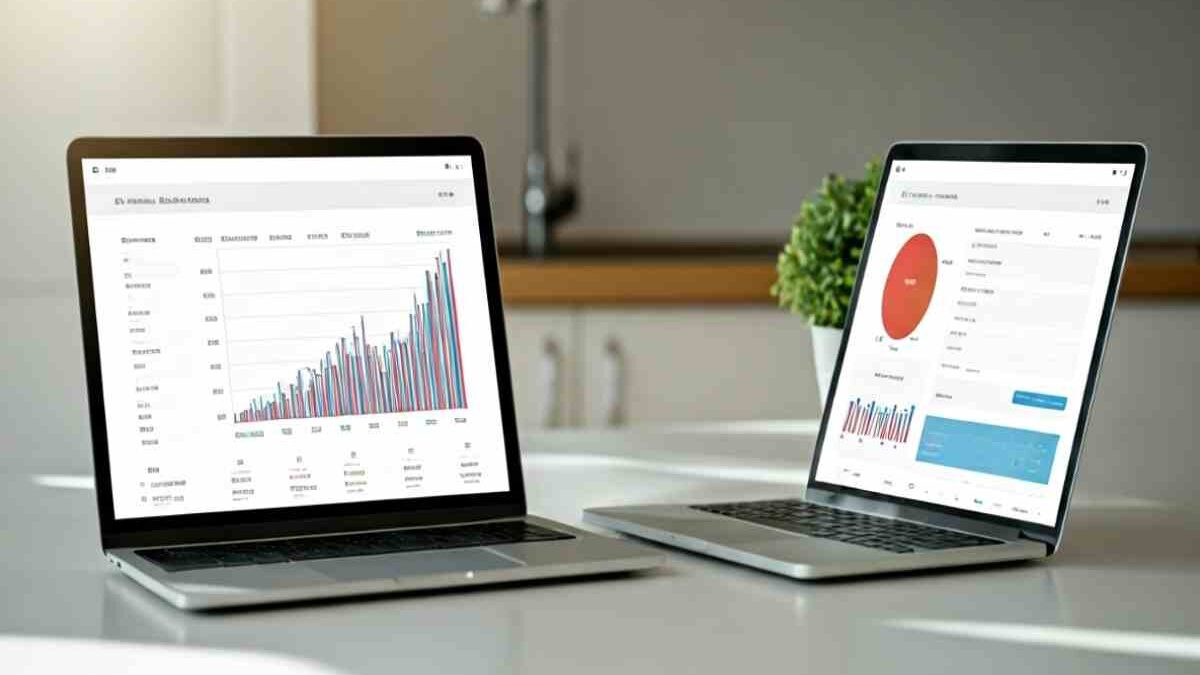

Rocket Money (formerly known as Truebill) is a popular personal finance and budgeting app designed to help users track spending, manage subscriptions, and gain better control over their money. In 2025, money management apps like Rocket Money sit at the center of the broader fintech app ecosystem, combining budgeting, automation, and financial insights into a single dashboard.
This review breaks down what Rocket Money does, its main features, pricing model, pros and cons, privacy considerations, and the best alternatives—so readers can decide if it fits their financial habits.
Table of Contents
What Rocket Money Does
At its core, Rocket Money helps users:
- Understand where their money is going
- Track recurring subscriptions and bills
- Create and follow budgets
- Monitor net worth and balances across accounts
The app connects securely to users’ bank accounts, credit cards, and loans, then automatically categorizes transactions and highlights spending patterns. Its standout value lies in subscription tracking and bill awareness, an area where many people lose money without realizing it.
Main Features of Rocket Money
1. Budgeting and Spending Tracking
Rocket Money automatically categorizes transactions (groceries, rent, dining, entertainment, etc.) and shows monthly spending trends.
Key budgeting capabilities include:
- Custom monthly budgets by category
- Alerts when you exceed limits
- Visual charts for income vs expenses
This hands-off approach appeals to users who prefer automation over manual data entry.
2. Subscription Management
Subscription tracking is Rocket Money’s most well-known feature.
The app:
- Detects recurring charges automatically
- Lists active subscriptions in one place
- Sends alerts for price increases or unused services
Premium users can also request subscription cancellation assistance, where Rocket Money helps negotiate or cancel services on your behalf.
3. Bill Monitoring and Negotiation
Rocket Money can identify recurring bills such as internet, phone, or insurance payments.
Features include:
- Alerts for unusually high bills
- Bill comparison insights
- Optional bill negotiation (premium feature), where the app attempts to lower certain bills in exchange for a success-based fee
4. Net Worth and Account Overview
By linking checking, savings, credit cards, loans, and investments, Rocket Money provides:
- A real-time net worth snapshot
- Balance trends over time
- Centralized visibility across financial accounts
This makes it useful as a lightweight personal finance dashboard.
Rocket Money Pricing
Rocket Money follows a freemium pricing model:
Free Version
Includes:
- Basic budgeting
- Spending tracking
- Subscription detection
- Account balance overview
Premium Version
Pricing is typically flexible or pay-what-you-want (within a set range) and unlocks:
- Advanced budgeting tools
- Subscription cancellation assistance
- Bill negotiation services
- Smart savings features
This flexible pricing model is uncommon among fintech apps and can appeal to cost-conscious users.
Pros and Cons of Rocket Money
Pros
- Easy-to-use, beginner-friendly interface
- Strong subscription and recurring bill tracking
- Automated transaction categorization
- Flexible premium pricing
- Helpful for identifying hidden or forgotten expenses
Cons
- Limited customization compared to advanced budgeting tools
- Bill negotiation success is not guaranteed
- Requires linking bank and financial accounts
- Less suitable for complex investing or business finances
Privacy and Security Considerations
Rocket Money operates as a fintech app and relies on third-party financial data aggregators to connect accounts.
Important privacy points to consider:
- Read-only access is typically used (no direct transaction execution)
- Data is encrypted in transit and at rest
- Financial data may be shared with service providers for app functionality
Users should:
- Review the app’s privacy policy carefully
- Use strong passwords and device-level security
- Be comfortable with account aggregation before linking sensitive data
For privacy-conscious users, this is often the deciding factor.
Who Rocket Money Is Best For
Rocket Money is ideal for:
- Individuals who want simple, automated budgeting
- Users struggling to track subscriptions and recurring charges
- Beginners to personal finance apps
- People looking to reduce monthly expenses with minimal effort
It may not be the best fit for:
- Advanced budget planners who want granular control
- Investors seeking detailed portfolio analysis
- Small business or freelance expense management
Best Alternatives to Rocket Money
If Rocket Money doesn’t fully match your needs, here are some strong alternatives:
1. Mint (or similar free budgeting apps)
- Strong budgeting and spending insights
- Free to use
- Good for users who want detailed expense breakdowns
Best for: Budget-focused users who want a no-cost solution.
2. YNAB (You Need A Budget)
- Zero-based budgeting philosophy
- High level of control and customization
- Steeper learning curve
Best for: Users serious about long-term budgeting discipline.
3. Personal Capital–style Wealth Trackers
- Strong net worth and investment tracking
- Limited budgeting features
Best for: Users focused on wealth tracking rather than daily spending control.
Should You Use Rocket Money?
Rocket Money works best as a money-awareness and expense-reduction tool rather than a deep financial planning platform. Its strengths lie in automation, visibility, and subscription management.
If your primary goal is to stop wasting money on unused services and get a clear picture of monthly spending with minimal effort, Rocket Money is a solid choice. If you want full control over every dollar or advanced investment tools, one of its alternatives may be a better fit.
Should You Create a “Money Apps / Fintech” Subcluster?
Yes—Rocket Money fits naturally into a personal finance / fintech apps content subcluster.
Suggested subcluster topics:
- Best budgeting apps in 2025
- Subscription management apps compared
- Personal finance apps vs traditional banking tools
- Privacy and security in fintech apps
- Money management apps for beginners
This subcluster can internally link to broader topics like financial technology, digital banking, and technology for consumers, strengthening topical authority.