
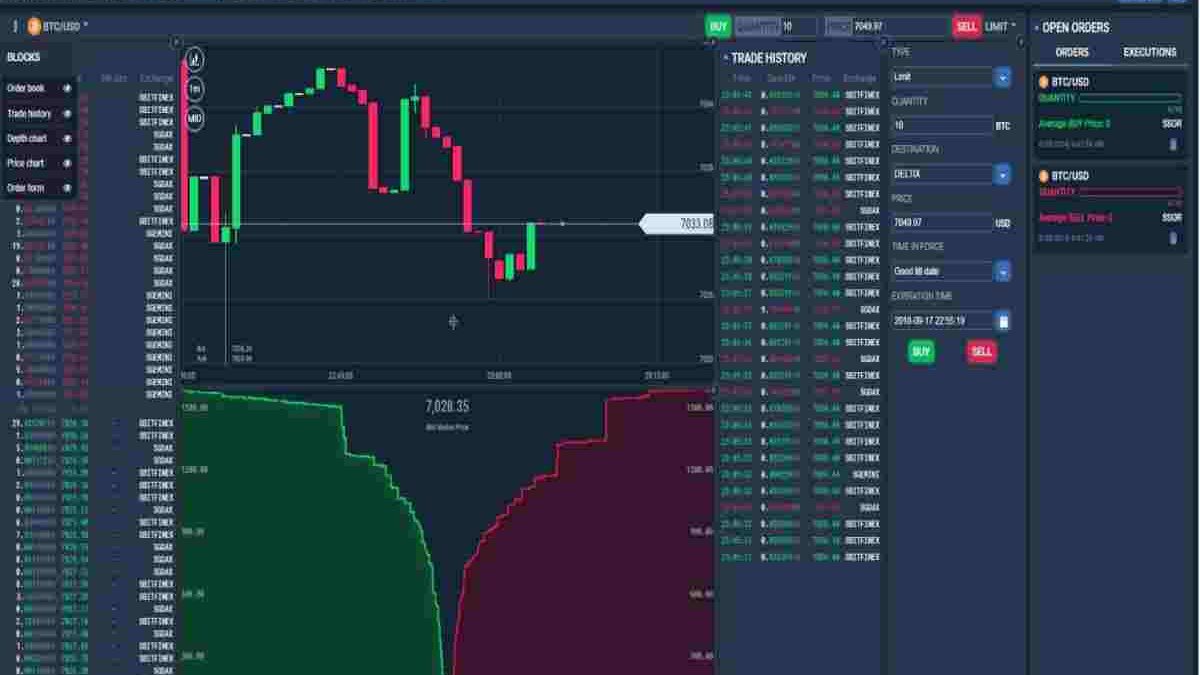
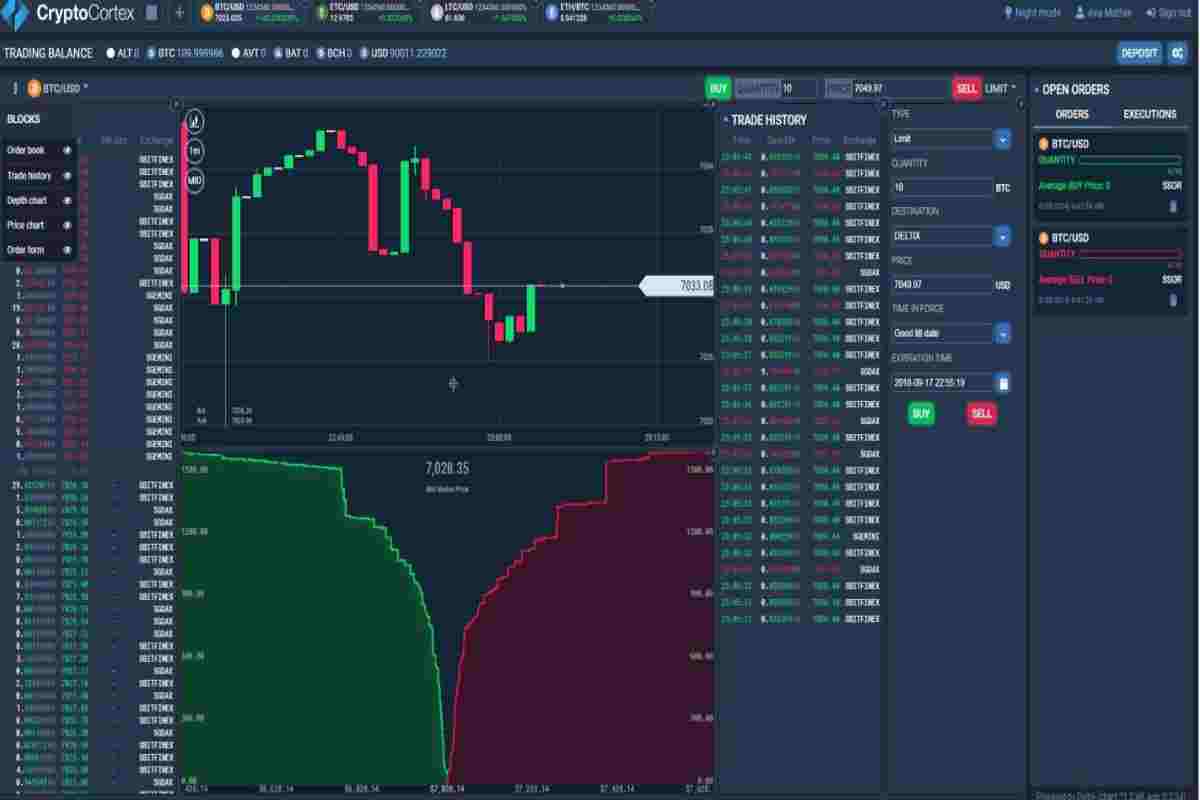
When you start investing in the stock market, there are a few things that you need to consider. How will your investments grow over time? What is the cost of buying and selling shares? What makes a good trading platform? These are some of the elements to consider while selecting the best trading platform for your requirements.
Table of Contents
1. Start With Security and Regulation (Top Priority)
Before anything else, make sure the platform keeps your funds and personal information safe:
🔐 Regulation and licensing: Choose platforms regulated by recognized financial authorities (such as SEC, FCA, ASIC, etc.).
🔒 Security measures: Look for SSL encryption, two-factor authentication (2FA), and segregated client accounts to protect against data breaches and financial loss.
This safeguards your investments and ensures the platform follows industry compliance standards.
2. Understand Fees and Costs
Costs can quietly reduce your returns if you don’t look closely:
🧾 Trading fees — Platforms may charge commissions, spreads (difference between buy/sell price), or transaction fees.
💡 Transparent pricing — Avoid hidden costs like inactivity fees, withdrawal fees, or high service charges.
💸 Compare across platforms based on your trading frequency and goals.
3. Evaluate the Platform’s Usability and Design
A smooth experience saves you time and stress:
📱 Intuitive interface: Easy navigation helps both beginners and experienced traders make decisions faster.
🖥️ Responsive mobile app: This lets you trade from anywhere, track positions, and receive alerts on the go.
📊 Customization: Custom dashboards and layouts help you monitor the markets the way you prefer.
Platforms with clear menus, fast order entry, and useful dashboards make trading more efficient.
4. Access to Tools, Data & Trading Features
Good tools allow smarter decisions and better strategy execution:
📈 Advanced charting and technical analysis: Look for customizable charts, drawing tools, and popular indicators.
📊 Real-time market data: Timely price feeds and live updates are crucial — especially for active traders.
🤖 Automated & algorithmic trading: For advanced users, features like automated scripts or expert advisors (EAs) can be valuable.
Platforms with strong analytical capabilities help you analyze trends and trade more confidently.
5. Asset Variety and Market Access
The range of assets matters for portfolio flexibility:
📌 Wide selection: Stocks, ETFs, forex, commodities, indices, and cryptocurrencies expand your investment choices.
🌍 Global markets support: If you plan to trade internationally, choose platforms that provide access to global markets.
A broader asset selection gives you more opportunities to diversify and adjust strategies as markets change.
Also read: Technology for Business: Tools, Strategies, and Use Cases in 2026
6. Customer Support and Educational Resources
Good support can be a lifesaver — especially for beginners:
📞 Responsive support: Look for platforms with multiple contact methods (chat, email, phone) and fast response times.
📚 Learning tools: Articles, tutorials, webinars, and market research can accelerate your learning curve.
Support and educational resources help traders stay informed and resolve issues quickly.
7. Try Out a Demo Account First
Before committing real money:
💡 Practice in a risk-free environment: Most reputable platforms offer demo accounts so you can test features and tools with virtual funds.
Demo accounts let you explore the interface, practice strategies, and decide if the platform fits your style without financial risk.
8. Consider Customer Reviews and Reputation
Before choosing:
⭐ Read user feedback: Look at reviews from multiple sources to gauge real-world performance and support quality.
📊 Check reliability history: Platforms with minimal downtime and strong performance histories offer better long-term reliability.
Quick Checklist Before You Choose
✔ Regulated and secure
✔ Transparent fees
✔ Easy-to-use interface (desktop + mobile)
✔ Fast trade execution and real-time data
✔ Good analytical tools and automation options
✔ Wide range of tradable assets
✔ Strong customer support
✔ Demo account available
Conclusion: Match Platform to Your Goals
The “best” trading platform depends on your goals and experience:
-
Beginners may prefer simple design + strong educational support.
-
Active or professional traders may need advanced tools, fast execution, and automation.
-
Long-term investors may focus more on low fees and diverse assets.
Choosing the right platform helps you trade smarter, stay secure, and improve outcomes over time — whether you’re investing for growth, income, or diversification.