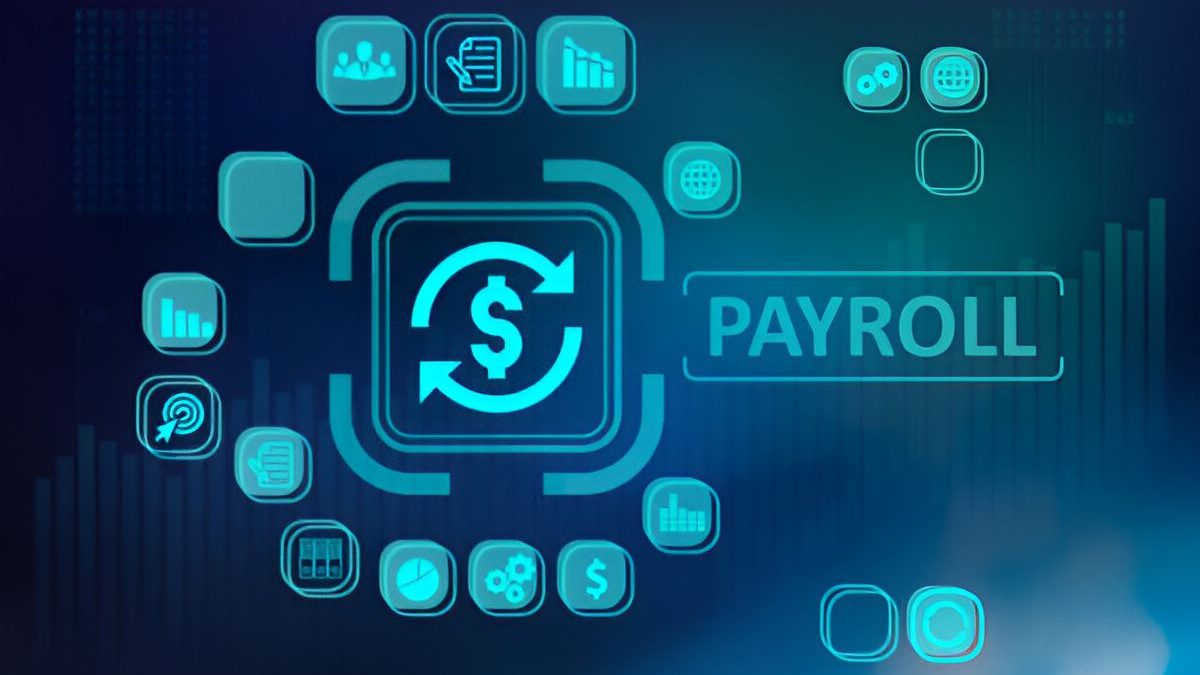
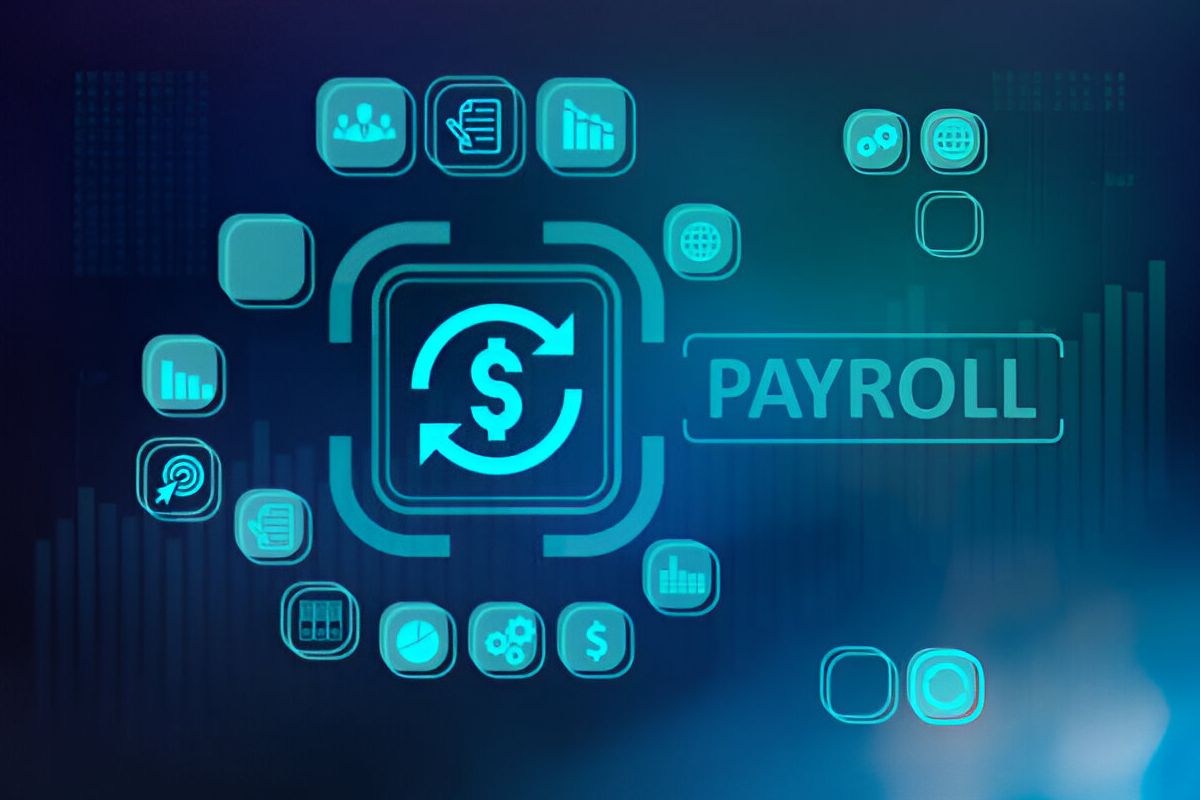
Payroll and employee benefits are no longer back-office tasks handled once a month. For small businesses, they are core business systems that directly impact compliance, cash flow, employee satisfaction, and scalability. Modern payroll and benefits software transforms these processes through automation, integrations, and real-time reporting — making them a critical part of any Technology-for-Business stack.
This guide reframes payroll and benefits from an HR theory topic into a business tech and SaaS decision, helping small businesses choose the right tools and strategy.
Table of Contents
Why Payroll & Benefits Software Matters for Small Businesses
Manual payroll processes increase the risk of:
- Tax filing errors and penalties
- Compliance issues with labor laws
- Delayed or incorrect salary payments
- Poor employee experience
Payroll software automates calculations, filings, and reporting, while benefits platforms simplify health insurance, PF/retirement, and perks administration — all from a single dashboard.
For founders and operations leaders, this means less admin work and more strategic focus.
Core Capabilities of Modern Payroll Software
1. Automated Salary Calculations
Payroll tools automatically calculate:
- Gross-to-net pay
- Deductions and reimbursements
- Overtime and bonuses
This reduces dependency on spreadsheets and manual checks.
2. Tax Compliance & Statutory Filings
Modern payroll platforms stay updated with local tax rules and automatically generate:
- Payslips
- Tax filings and reports
- Compliance documentation
This is especially valuable for small businesses without in-house finance teams.
3. Employee Self-Service Portals
Employees can:
- Download payslips
- Update personal details
- Track leave and benefits
Self-service reduces HR queries and operational friction.
Benefits Administration as a SaaS Advantage
Benefits software centralizes employee perks such as:
- Health insurance
- Retirement or pension plans
- Paid leave and reimbursements
- Wellness and flexible benefits
Instead of managing multiple vendors, businesses can handle benefits through a single integrated platform — improving transparency and employee trust.
Payroll & Benefits Automation: Where the Real Value Lies
Automation connects payroll systems with:
- Attendance and time-tracking tools
- Accounting and ERP platforms
- CRM or project management systems
This creates a single source of truth for compensation data and reduces duplication across departments — a key principle of scalable business technology.
Choosing Payroll & Benefits Software: What to Look For
When evaluating payroll and benefits tools, small businesses should prioritize:
- Ease of setup and use
- Local compliance and tax support
- Integration with accounting or ERP systems
- Scalability as headcount grows
- Reporting and audit readiness
Cloud-based SaaS solutions are typically more flexible and cost-effective than legacy payroll systems.
Payroll Software as Part of Your Technology-for-Business Stack
Payroll and benefits platforms don’t operate in isolation. They work best when integrated with:
- Accounting and finance software
- ERP systems for unified master data
- Analytics dashboards for cost tracking
From a strategy perspective, payroll software becomes a financial and operational data engine, not just an HR tool.
Final Thoughts
For small businesses, payroll and benefits software is about more than paying employees on time. It’s about automation, compliance, and operational clarity.
By treating payroll as a business technology investment, companies can reduce risk, improve employee experience, and build a foundation that scales with growth.
This guide supports the broader Technology-for-Business strategy by highlighting how SaaS-based payroll and benefits tools fit into modern, connected business systems.