
Table of Contents
What Is Robotics?
Robotics is an interdisciplinary field of engineering and computer science focused on the design, construction, programming, and operation of robots—machines capable of sensing, processing information, and acting in the physical world.
Scope of Robotics
Robotics‑explained combines multiple disciplines:
-
Mechanical engineering (structure and movement)
-
Electrical and electronics engineering (sensors, motors, power)
-
Computer science (software, control, AI)
-
Artificial intelligence and data analytics
Robotics vs AI vs IoT vs Automation
| Technology | Primary Role | Example |
|---|---|---|
| Robotics | Physical action | Robotic arms assembling cars |
| AI | Intelligence & learning | Vision-based defect detection |
| IoT | Connectivity & data | Sensors sending robot data to cloud |
| Automation | Rule-based processes | Conveyor belt systems |
Robotics often integrates AI and IoT but is distinct because it operates in the physical world.
Evolution of Robotics
-
1960s–1980s: Industrial robots for repetitive tasks
-
1990s–2000s: Computer-controlled and programmable robots
-
2010s–present: Intelligent, autonomous, and collaborative robots
Core Components of a Robotic System
A robotic system consists of both hardware and software components working together.
Key Components Overview
| Component | Function |
|---|---|
| Sensors | Perceive environment |
| Actuators | Enable movement |
| Controllers | Process data and commands |
| Power systems | Supply energy |
Sensors and Perception Systems
Common sensors include:
-
Cameras (vision)
-
LIDAR and radar (distance mapping)
-
Force and torque sensors
-
Temperature, proximity, and pressure sensors
These allow robots to interpret real-world conditions.
Actuators and Motion Control
Actuators convert energy into motion:
-
Electric motors
-
Hydraulic systems
-
Pneumatic actuators
Motion control algorithms ensure precision, speed, and safety.
Controllers and Embedded Systems
Controllers act as the robot’s “brain”:
-
Microcontrollers
-
Embedded processors
-
Industrial PLCs
They execute control logic and integrate sensor data.
Power Systems and Energy Management
Robots may use:
-
Batteries (mobile robots)
-
Direct power supply (industrial robots)
-
Hybrid systems
Efficient energy management is critical for autonomy.
Types of Robots
Robots are categorized based on function, environment, and autonomy.
Major Robot Categories
| Type | Example Use Case |
|---|---|
| Industrial robots | Manufacturing and welding |
| Service robots | Cleaning, delivery |
| Medical robots | Surgery, rehabilitation |
| AMRs | Warehouse navigation |
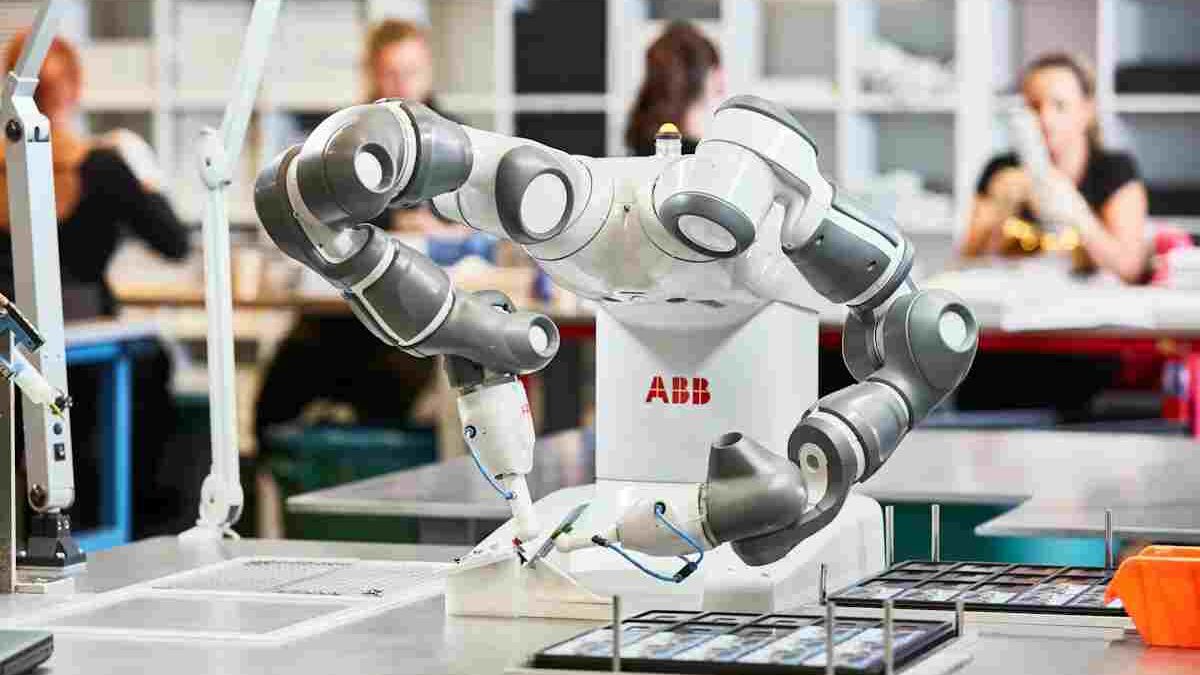
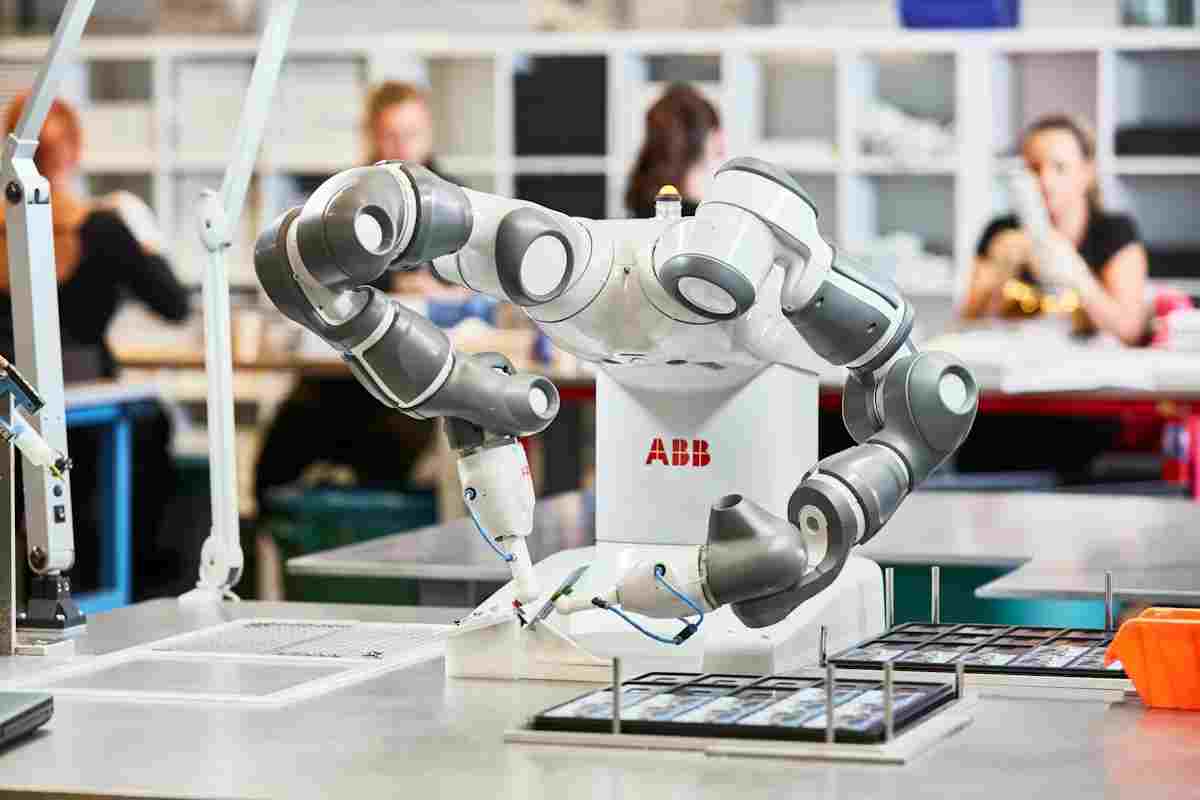
| Cobots | Human-robot collaboration |
Industrial Robots
-
Fixed robotic arms
-
High precision and speed
-
Common in automotive and electronics manufacturing
Service Robots
-
Professional (hospital robots, inspection drones)
-
Personal (vacuum cleaners, companion robots)
Medical and Healthcare Robots
-
Surgical robots (e.g., minimally invasive surgery)
-
Rehabilitation and assistive robots
-
Pharmacy automation
Autonomous Mobile Robots (AMRs)
-
Navigate dynamically using sensors and AI
-
Used in warehouses, factories, and hospitals
Collaborative Robots (Cobots)
-
Designed to work safely alongside humans
-
Lower cost and easier deployment
Robot Architecture and Design
Robotic architecture defines how components are structured and interact.
Physical vs Logical Architecture
-
Physical architecture: Mechanical layout, joints, materials
-
Logical architecture: Software layers, control logic, data flow
Mechanical Design Considerations
-
Degrees of freedom (DoF)
-
Payload capacity
-
Material strength
-
Environmental resistance
Control System Architecture
Common control approaches:
-
Open-loop control
-
Closed-loop (feedback) control
-
Model predictive control
Software Frameworks Used in Robotics
| Framework | Purpose |
|---|---|
| ROS (Robot Operating System) | Middleware and tools |
| Gazebo | Simulation |
| OpenCV | Computer vision |
| MoveIt | Motion planning |
Robotics and Artificial Intelligence
AI enables robots to learn, adapt, and make decisions beyond pre-programmed rules.
Role of AI in Robotics
AI improves:
-
Perception
-
Decision-making
-
Autonomy
-
Adaptability
Computer Vision and Object Recognition
AI-powered vision allows robots to:
-
Identify objects
-
Detect defects
-
Track movement
-
Understand environments
Natural Language Processing (NLP)
NLP enables:
-
Voice-controlled robots
-
Human-robot interaction
-
Social and service robots
Decision-Making and Autonomy
AI techniques used:
-
Machine learning
-
Reinforcement learning
-
Path planning algorithms
Robotics in Industry and Real-World Applications
Robotics adoption is accelerating across sectors.
Industry Applications Overview
| Industry | Robotics Use |
|---|---|
| Manufacturing | Assembly, welding |
| Healthcare | Surgery, diagnostics |
| Agriculture | Harvesting, monitoring |
| Logistics | Sorting, picking |
| Defense & space | Exploration, surveillance |
Manufacturing and Assembly
Robots improve:
-
Throughput
-
Accuracy
-
Worker safety
Healthcare and Surgical Robotics
Benefits include:
-
Reduced invasiveness
-
Higher precision
-
Faster recovery times
Agriculture and Farming Automation
Examples:
-
Autonomous tractors
-
Crop monitoring drones
-
Robotic harvesters
Logistics and Warehousing
AMRs and robotic arms handle:
-
Order picking
-
Sorting
-
Inventory management
Defense, Space, and Exploration
Robots operate in:
-
Hazardous environments
-
Space missions
-
Disaster recovery zones
Robotics and IoT Integration
IoT enhances robotics by enabling connectivity and data intelligence.
How IoT Enhances Robotic Intelligence
-
Real-time monitoring
-
Predictive maintenance
-
Fleet coordination
Cloud Robotics and Edge Computing
| Model | Advantage |
|---|---|
| Cloud robotics | Scalability, learning |
| Edge computing | Low latency, reliability |
Security and Data Challenges
Key risks:
-
Cyberattacks
-
Data privacy
-
Network dependency
Programming and Testing in Robotics
Common Programming Languages
-
Python (AI, ROS)
-
C++ (performance-critical systems)
-
Java (enterprise robotics)
-
MATLAB (simulation and control)
Robot Operating System (ROS)
ROS provides:
-
Hardware abstraction
-
Communication tools
-
Simulation support
-
Large open-source ecosystem
Simulation and Testing Environments
Popular tools:
-
Gazebo
-
Webots
-
V-REP (CoppeliaSim)
Robotics QA, Validation, and Safety Testing
Focus areas:
-
Functional testing
-
Stress testing
-
Compliance with safety standards (ISO, IEC)
Benefits and Challenges of Robotics
Key Benefits
-
Increased efficiency and productivity
-
High accuracy and consistency
-
Scalability across operations
-
Improved workplace safety
Challenges and Limitations
| Challenge | Impact |
|---|---|
| High initial cost | Slower adoption |
| Complexity | Skilled workforce required |
| Maintenance | Downtime risk |
| Ethics | Job displacement concerns |
Careers and Skills in Robotics
Robotics Engineering Roles
-
Robotics engineer
-
Automation engineer
-
AI/ML engineer
-
Mechatronics engineer
Skills Required
-
Mechanical design
-
Embedded systems
-
Programming and AI
-
Control theory
-
Data analytics
Robotics Jobs and Future Demand
Demand is growing across:
-
Manufacturing
-
Autonomous systems
-
Smart infrastructure
Learning Paths and Certifications
-
Robotics degrees
-
Online platforms (ROS, AI courses)
-
Industry certifications
Future Trends in Robotics
Emerging Robotics Trends
| Trend | Description |
|---|---|
| Humanoid robots | Social and service roles |
| Self-learning robots | Continuous adaptation |
| Smart city robotics | Urban automation |
| Human-robot collaboration | Augmented workforces |
Autonomous and Self-Learning Robots
Advances in AI enable robots to:
-
Learn from experience
-
Adapt to unknown environments
Robotics in Smart Cities
Applications include:
-
Traffic management
-
Infrastructure inspection
-
Public safety
Robotics vs Automation vs Artificial Intelligence
Key Differences and Overlaps
| Aspect | Robotics | Automation | AI |
|---|---|---|---|
| Physical action | Yes | Sometimes | No |
| Intelligence | Optional | No | Yes |
| Learning | Limited | No | Core feature |
When to Use Robotics vs Pure Automation
-
Use automation for repetitive digital processes
-
Use robotics when physical interaction is required
-
Use AI to add intelligence and adaptability
Final Thoughts
Robotics sits at the intersection of engineering, AI, and automation, driving the next wave of industrial and societal transformation. Understanding robotic fundamentals, architectures, and applications is essential for business leaders, engineers, and future professionals navigating an increasingly automated world.