

Table of Contents
Introduction
Let me be straight with you: crypto is a rollercoaster that never stops. One day, your portfolio’s looking like a jackpot, and the next, you’re staring at red numbers thinking, “Wait… how did this happen?” Yeah, we’ve all been there. And after the recent crash, everyone’s scrambling for a “safe” crypto.
Enter XMR — Monero — and its new-ish cousin, XMU. Both are privacy-focused, kinda mysterious, and some people swear they’re the perfect hedge against crypto chaos. But here’s the truth: there’s no magic shield. Not really. You need to understand the nuance, the risks, and, frankly, your own tolerance for rollercoaster rides before jumping in.
So let’s unpack it, story-style, and figure out what’s actually going on.
The Harsh Reality of Crypto Crashes
First, let’s not sugarcoat it. Crypto crashes are brutal. One minute, Bitcoin and Ethereum are mooning. The next, altcoins are bleeding, and your “promising investments” feel like dead weight.
Even coins with strong tech, loyal communities, and killer roadmaps get dragged down. Panic spreads fast, fear drives selling, and suddenly everything is underwater.
I’ve seen it firsthand. I once held a “future-proof” altcoin — solid team, strong roadmap. Thought I was invincible. Then a mini crash hit. 40% drop in two days. And it wasn’t unique; nearly all my crypto fell. That’s the thing about crypto: nothing is safe, nothing is guaranteed.
Why People Look at XMR (Monero) During Crashes
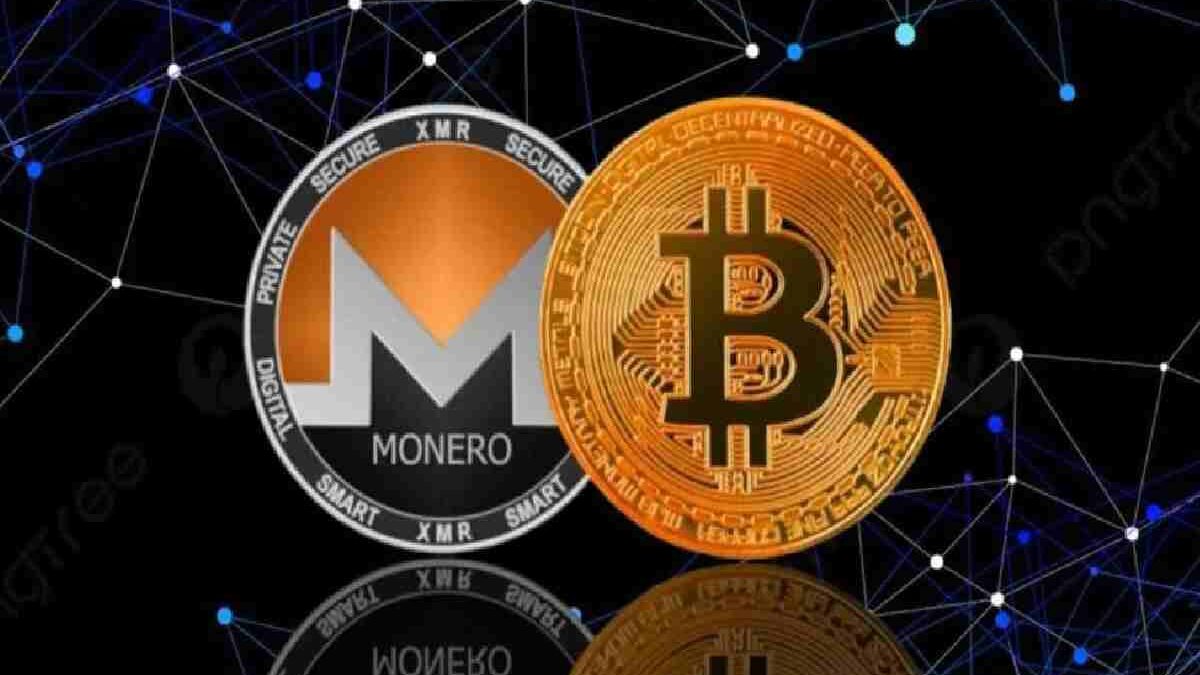
Monero isn’t just another altcoin. It’s designed to be private, untraceable, and fungible. Transactions? Hidden. Balances? Obscured. It’s basically digital cash.
Here’s Why That Matters
-
Privacy & Anonymity
No one can trace who’s sending what. That appeals when the market is turbulent or when people are worried about transparency or regulation. -
Fungibility
One XMR = any other XMR. Unlike some coins, they can’t be “tainted” by prior transactions. That’s actual money behavior. -
Community & Resilience
Monero’s been around since 2014. Developers are active, and the community is loyal. That gives it a relative stability that random hype coins just don’t have.
But Don’t Get Carried Away
Privacy ≠ crash-proof. XMR swings can be huge — 9% or more in a day is not unheard of. And in a market-wide selloff, privacy coins drop too. Just because it’s private doesn’t mean it’s immune to panic selling.
What About XMU?
XMU is newer, less proven, and more speculative. Some hype it as another privacy coin that could hedge during crashes. But let me tell you: new coins are wild. Could shoot up, could vanish overnight.
I remember a “hidden gem” coin from a few years back. Everyone said it was the next big thing. Fast forward a year: worthless. Poof. That’s the reality of small, untested tokens. XMU could help you survive a crash — or it could evaporate before you even notice.
Why Privacy Coins Attract Attention During Market Chaos
-
Decentralized & independent – They don’t rely on banks or governments.
-
Censorship-resistant – Even if exchanges delist them, you can trade peer-to-peer.
-
Limited supply (for XMR) – Some see this as a store of value.
Basically, people think, “Hey, maybe these coins won’t get crushed like everything else.” And in some scenarios, that might be true… but again, not guaranteed.
The Big Caveat: High Risk, Always
Here’s what gets me: people talk about XMR or XMU like it’s a safety net. It isn’t.
-
Market-Wide Selloffs – Even privacy coins follow the broader market.
-
Regulatory Pressure – Some countries ban privacy coins, and exchanges sometimes delist them. Liquidity dries up. Price drops. Simple.
-
Speculative Demand – Price spikes are often hype-driven, not adoption-driven.
-
Liquidity Risk (especially XMU) – Selling large amounts can be tricky. Thin trading volume = big price swings.
So yeah, “safe haven” is a bit of a stretch.
A Smart Way to Approach XMR/XMU
If you still want in, do it smartly:
-
Small allocation – Maybe 5–10% of your crypto holdings. Think of it as insurance, not your whole portfolio.
-
Long-term mindset – Short-term stability? Forget it. Recovery may take months.
-
Diversification – Combine privacy coins with Bitcoin, stablecoins, and traditional assets.
-
Regulatory awareness – Watch for government actions or exchange delistings.
-
Secure wallets – Cold wallets or reputable private wallets only. Security matters more than hype.
Personal Story Time
I once thought a privacy coin was my “safe haven.” Market crashed. I panicked. Sold half at a loss. Weeks later, it recovered. Lesson learned: privacy coins are just another tool in your toolkit — not a miracle fix.
So, treat them like high-risk, high-reward assets, not magic shields.
Practical Tips During a Crypto Crash
-
Have a clear exit plan – Know your stop-loss and profit targets.
-
Avoid emotional decisions – Fear and greed are your worst enemies.
-
Use hardware wallets – Keep private keys offline.
-
Don’t chase hype – Especially with new coins like XMU.
-
Stay educated – Know the tech, the market trends, and the risks.
Bottom Line: Privacy Coins Are Interesting — But Not Guaranteed
Monero (XMR) has history, community, and privacy-driven design that give it some resilience. XMU? It’s speculative, high-risk, and newer. Neither is immune to crashes, and neither should be treated like a “sure bet.”
Now, XMU… well, that’s a different story. It’s newer, less tested, and far more speculative. Think of it like a high-stakes startup in the crypto universe: it could skyrocket, or it could fizzle out overnight. That’s not meant to scare you, but it’s reality. Market sentiment, liquidity, and regulatory scrutiny hit these coins hard, and unlike Monero, XMU hasn’t yet proven it can withstand prolonged market turbulence.
Here’s the truth: neither coin is immune to crashes. Even Monero, with all its privacy features, sees massive swings when the broader crypto market goes south. It’s easy to fall into the trap of thinking, “Ah, privacy coins are safer — they won’t drop like the others.” Nope. That’s wishful thinking. They may hold value differently, or recover differently, but “safe” is a relative term in crypto — nothing is guaranteed.
So what does this mean for you? If you genuinely care about privacy, decentralization, and building a long-term strategy, there’s absolutely a place for privacy coins in your portfolio. But it has to be small, intentional, and calculated. I’m talking 5–10% of your crypto holdings, not “all-in” mode. Think of it as insurance rather than a jackpot ticket — a hedge that could potentially protect or balance your portfolio during turbulent times, without exposing you to catastrophic risk.
And here’s another thing: managing expectations is key. Don’t expect them to magically rise during every market downturn. Don’t treat them as a shortcut to easy gains. They’re tools — sometimes powerful, sometimes volatile — and the smarter you are with allocation, security, and patience, the better your experience will be.