
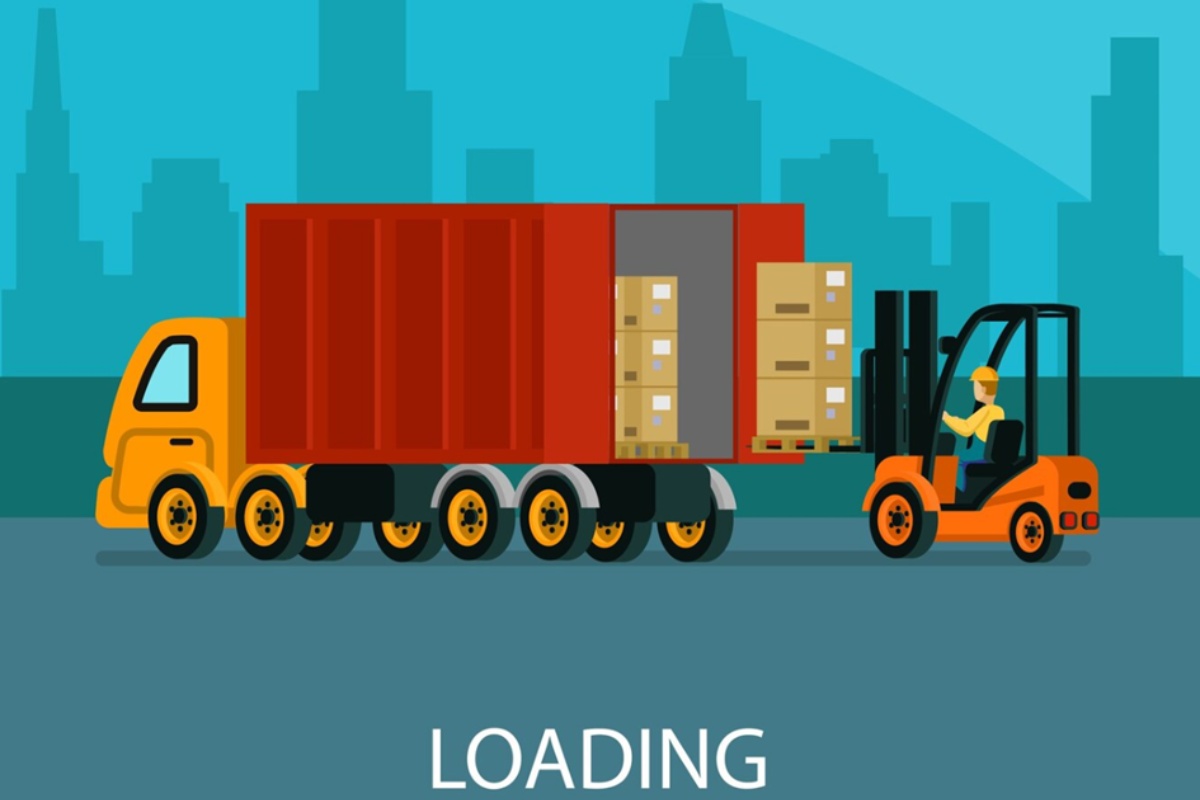
In modern logistics, efficiency is no longer a competitive advantage—it’s survival. Freight costs are rising, delivery timelines are shrinking, and global supply chains face constant disruption. In this high-pressure environment, cargo loading software has emerged as a quiet revolution, transforming how companies pack, load, track, and optimize cargo across trucks, containers, ships, and aircraft.
What was once a manual, experience-driven task—figuring out how to fit cargo into limited space—is now a data-driven, AI-powered science.
Below is a deep, guide-level breakdown of how cargo loading software is rewriting logistics rules, reducing costs, and helping organizations move goods smarter and faster.
Table of Contents
What Is Cargo Loading Software?
Cargo loading software is a digital tool that calculates the most efficient and safe way to load cargo into a shipping unit—whether a truck, pallet, container, ULD, or warehouse bay.
It uses algorithms, 3D visualization, and sometimes AI to optimize:
-
Space utilization
-
Weight distribution
-
Stacking rules
-
Load sequencing
-
Safety/compliance constraints
-
Route + cost considerations
Instead of relying on trial and error, planners get a real-time optimized loading blueprint.
Implementation Challenges & Pitfalls
Even the best software fails if the data or processes are wrong.
❌ 1. Poor SKU Dimension Accuracy
If your dimensions are wrong by even 1–2 cm, load plans collapse.
Solution: Use dimensioning scanners or automated cubing stations.
❌ 2. No Integration With WMS/TMS
Without real-time inventory and routing data, optimization is limited.
Solution: Cloud-based API integration (connect to your cloud/VPS content).
❌ 3. Ignoring Operational Reality
Load plans must match:
-
Forklift reach
-
Door height
-
Workforce skill level
-
Packaging stability
Solution: Field-testing load plans before rollout.
❌ 4. Over-Customizing the Rules Engine
Too many constraints → too restrictive → under-optimized loads.
❌ 5. Underestimating Change Management
Supervisors and loaders need training and SOP updates.
Why Cargo Loading Software Is Changing Logistics
1. Eliminates Waste Through Better Space Optimization
Traditional loading practices often leave 10–25% of container space unused. Cargo loading tools solve this using algorithms that:
-
Arrange items in 3D with precise measurements
-
Maximize usable volume
-
Reduce empty spaces
-
Suggest mixing strategies for odd-shaped cargo
Benefit: fewer containers, lower freight cost, more sustainable operations.
2. Reduces Freight Costs By Up to 30%
Carriers charge for:
-
Container count
-
Trailer cubic volume
-
Volumetric weight
-
Fuel consumption
By optimizing loads, businesses can:
-
Ship fewer containers
-
Avoid “air shipping” (empty space)
-
Reduce overweight penalties
-
Improve fuel efficiency through better weight distribution
In high-volume logistics, savings are massive.
3. Improves Safety & Compliance
Misloaded cargo causes:
-
Rollovers
-
Cargo collapse
-
Damage claims
-
OSHA violations
-
Stability issues for aircraft and ships
Modern cargo loading software applies automatic checks:
-
Center of gravity calculations
-
Road, maritime, and aviation standards
-
Stackability & fragility rules
-
Hazardous material segregation
-
Weight per axle for trucks
This reduces the risk of accidents and compliance fines.
4. Enables Faster Loading & Unloading
Loading crews often waste time deciding:
-
Where each pallet should go
-
Whether items fit
-
Whether rearranging is required
Cargo loading software provides:
-
Step-by-step loading sequences
-
Drag-and-drop 3D visualizations
-
Instructions for forklifts & dock workers
-
Real-time instructions via tablets
Result:
40–60% faster loading times and drastically fewer errors.
5. Enhances Real-Time Planning & Visibility
Traditional planning tools cannot handle last-minute changes—like shipment delays or weight changes.
Modern loading software integrates with:
-
TMS
-
WMS
-
ERP
-
Telematics
-
Yard management systems
This enables:
-
Real-time replanning
-
Dynamic adjustment of loads
-
Automated creation of loading manifests
-
Visibility for all supply chain participants
This agility is critical during disruptions.
6. Supports Sustainability Goals
Cargo optimization directly contributes to ESG KPIs:
-
Fewer trucks/containers = lower CO₂ emissions
-
Better weight distribution = better fuel efficiency
-
Improved stacking reduces material waste
Many companies use these tools to support greener logistics initiatives.
7. Powers Multimodal and Global Logistics
Modern cargo journeys involve:
-
Road → Rail → Ship → Air
-
Multiple warehouses
-
Consolidation and deconsolidation points
Cargo loading software ensures:
-
Mode-specific compliance
-
Optimized transfers
-
Consistent loading across the journey
-
Better synchronization with carriers and ports
This is crucial for global trade networks.
Use Cases Across Industries
1. Freight Forwarders
Plan container capacity, reduce TEU usage, produce loading diagrams.
2. E-commerce & Retail
Optimize pallets and reduce transportation cost for high-volume SKUs.
3. Manufacturing
Manage heavy machinery, odd-sized goods, and multi-stage loading.
4. Warehouses & Distribution Centers
Coordinate dock operations and optimize outbound truckloads.
5. Aviation Logistics
Ensure ULD safety, center-of-gravity calculations, load sequencing.
6. Maritime Shipping
Plan stowage, weight distribution, and hazardous cargo segregation.
Pros & Cons of Cargo Loading Software
✓ Pros
-
Significant freight cost reduction
-
Reduced damage and insurance claims
-
Faster operations and lower labor costs
-
Real-time planning flexibility
-
Enhanced compliance and safety
-
Better sustainability footprint
✗ Cons
-
Initial training required
-
Integrations with legacy systems can be complex
-
Some low-volume businesses may not need full-scale optimization tools
Top Cargo Loading Software Tools (2025)
(Not ranked — each suits different needs)
-
CargoWiz – Simple UI for pallets & containers
-
Cube-IQ – Advanced 3D loading & sequencing
-
EasyCargo – Browser-based, quick planning
-
LoadPlanner – Truck + container optimization
-
PACE (by SITA) – Aviation load management
-
QI Cargo – Enterprise-grade multimodal planning
FAQs
Is cargo loading software only for large logistics companies?
No. SMBs benefit even more because optimization directly saves money.
Does it work for irregular-shaped items?
Yes. Advanced tools use 3D modeling, custom shapes, and AI-fitting algorithms.
Can it integrate with ERP or TMS?
Most enterprise tools offer APIs for real-time data exchange.
Will AI replace human load planners?
No—but it enhances their productivity and accuracy dramatically.
Conclusion: Logistics Has a New Power Tool
Cargo loading software is altering the fundamentals of logistics—from planning to safety to cost structure. As supply chains become more complex and freight prices rise, these optimization tools are no longer optional. They deliver:
-
Lower shipping costs
-
Faster loading times
-
Better compliance
-
Less waste
-
More visibility
In 2025 and beyond, the companies that leverage cargo loading software will be the ones achieving higher efficiency and resilience in their supply chain operations.
Author Bio — Techiesin.com
Techiesin is a global technology insights publisher covering logistics tech, AI, automation, cybersecurity, cloud computing, and enterprise software. Our writers combine technical depth with real-world industry experience to deliver research-backed, actionable content for businesses navigating digital transformation.