
Table of Contents
What Is Robotics?
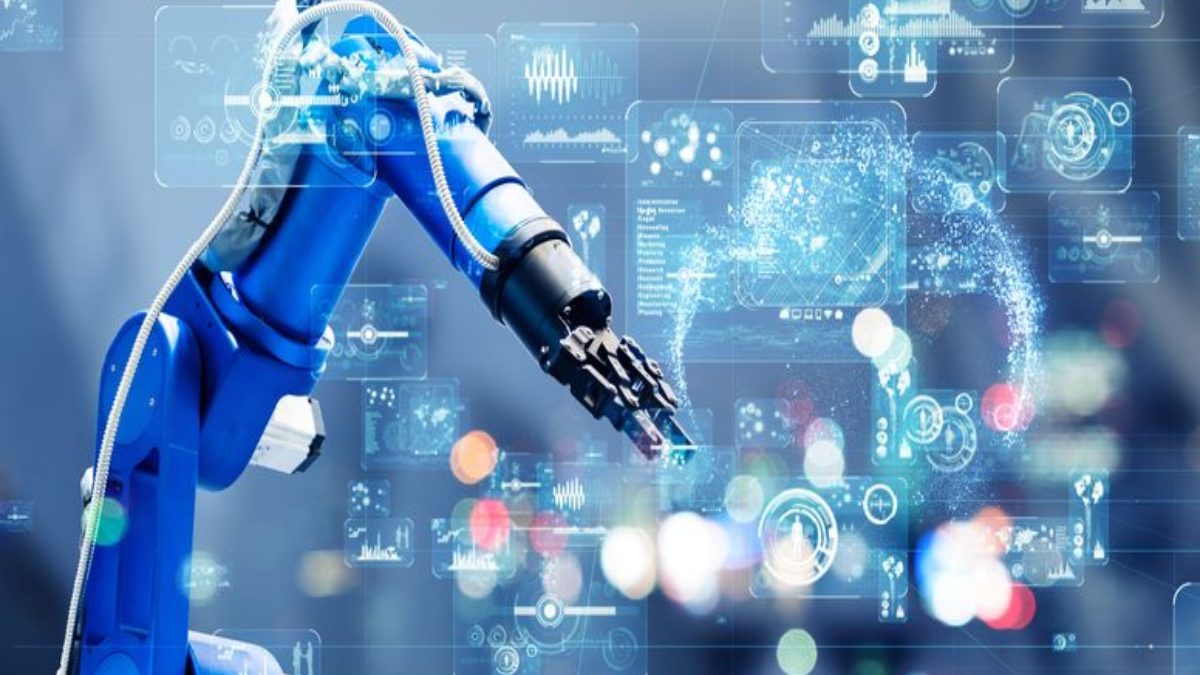
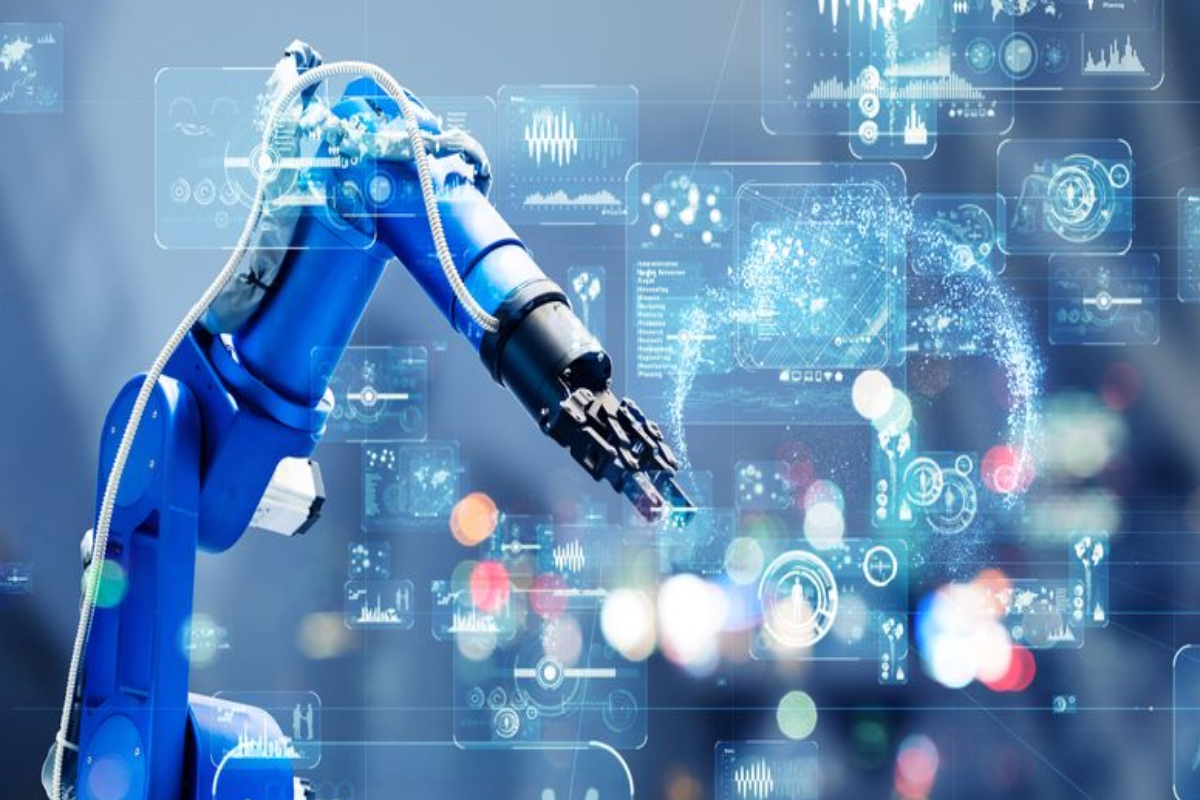
Robotics is a field of science and engineering that focuses on designing, building, and operating robots. A robot is a programmable machine that can perform tasks on its own or with limited human help. Robotics brings together mechanical engineering, electronics, computer science, and artificial intelligence to create machines that can sense the environment and act accordingly.
In 2025, robotics continues to evolve fast, helping industries work more efficiently, reducing human effort, and improving accuracy in everything from manufacturing to healthcare. Many modern robots can learn from data, understand surroundings, and make decisions using AI.
Key Components of a Robot
Every robot has a few essential parts that help it work:
1. Sensors
Sensors help a robot detect things around it. Examples include cameras, temperature sensors, touch sensors, and ultrasonic sensors.
2. Actuators
Actuators help a robot move. They include motors, wheels, robotic arms, and grippers.
3. Controller (Processor)
The controller is the “brain” of the robot. It processes information from sensors and makes decisions.
4. Power Supply
Robots run on electricity, batteries, or power cables.
5. Software
Software programs control how a robot behaves, learns, and performs tasks.
Types of Robots (With Examples)
Robots come in many shapes and functions depending on their purpose. The major types include:
1. Industrial Robots
Robots used in factories for tasks like welding, painting, packaging, and assembling.
Examples:
– Robotic arms in car manufacturing
– Automated assembly-line robots
2. Service Robots
Robots that help humans in homes, hospitals, or businesses.
Examples:
– Cleaning robots (vacuum robots)
– Hospital robots delivering medicines
3. Humanoid Robots
Robots that look or behave like humans. They can walk, talk, and perform human-like actions.
Examples:
– Honda ASIMO
– Tesla Optimus
4. Mobile Robots
Robots that can move from one place to another using wheels or legs.
Examples:
– Delivery robots
– Warehouse robots used by Amazon
5. Autonomous Vehicles
Self-driving cars that use sensors and AI to move safely.
Examples:
– Driverless taxis
– Autonomous trucks
6. Drones (Aerial Robots)
Flying robots used for photography, delivery, and monitoring.
Examples:
– Drones capturing videos
– Drones delivering parcels
7. Medical Robots
Robots used in surgeries, diagnosis, and patient care.
Examples:
– Robotic surgery systems
– Rehabilitation robots
8. Educational Robots
Robots designed for teaching students about coding and technology.
Examples:
– LEGO robotics kits
– Coding classroom bots
Real-World Applications of Robotics
Robotics plays an important role in many fields. Some major applications include:
Manufacturing
– Fast and accurate production
– Reduced human error
Healthcare
– Surgical robots for precision operations
– Robots assisting elderly patients
Agriculture
– Robots for harvesting crops
– Drones for monitoring fields
Logistics and Warehousing
– Automated storage solutions
– Delivery and transport robots
Home Use
– Smart cleaners and kitchen assistants
Military and Defense
– Bomb disposal robots
– Surveillance drones
Education
– Coding and STEM learning with robots
Robotics vs Automation vs AI
These three terms are related but not the same.
Robotics
Involves building physical robots that perform tasks.
Automation
Uses machines, software, or robots to complete tasks with minimal human input.
Artificial Intelligence (AI)
Allows machines or software to learn, think, and make decisions.
Example:
A robot vacuum cleaner is robotics + automation + AI.
– Robotics: physical machine
– Automation: moves automatically
– AI: learns room layout and detects obstacles
Careers in Robotics and IoT
Robotics and IoT offer strong career opportunities in 2025. Some popular roles include in IoT Jobs:
– Robotics Engineer
– IoT Developer
– Embedded Systems Engineer
– Automation Engineer
– AI/ML Engineer
– Drone Operator
– Industrial Technician
– Research Scientist
Students can enter this field by studying computer science, electrical engineering, mechanical engineering, mechatronics, or AI.
FAQs About Robotics
1. Is robotics hard to learn?
It can be challenging, but beginners can start with simple coding and DIY robot kits.
2. What is the future of robotics?
Robots will become more intelligent, human-like, and widely used in homes, industries, transportation, and healthcare.
3. Do robots replace humans?
Robots replace repetitive or dangerous jobs but also create new opportunities in programming, maintenance, and design.
4. Can robots think?
Robots can make decisions using AI, but they do not think like humans.
5. What skills do you need for robotics?
Basic programming, problem-solving, electronics, and mechanical understanding.